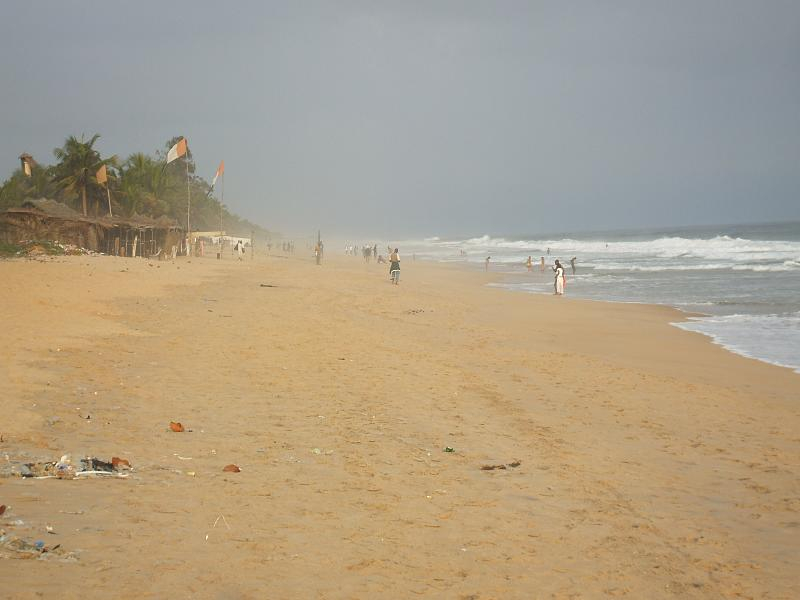
Terrorist Attack on Grand Bassam Beach Resort: 18 Dead
Ivory Coast
Terrorism
10 min read
Updated By: History Editorial Network (HEN)
Published:
On March 13, 2016, the Ivory Coast experienced one of its deadliest terrorist attacks when Al-Qaeda-affiliated jihadists targeted the popular beach resort of Grand-Bassam, killing 18 people and wounding many others. This attack was part of a broader wave of Islamist extremism spreading across West Africa, shocking the nation and highlighting the growing threat of terrorism in a region that had previously been relatively stable.
The Attack on Grand-Bassam
Grand-Bassam, a UNESCO World Heritage site, is located about 25 miles east of Abidjan, the economic capital of the Ivory Coast. Known for its beautiful beaches, colonial architecture, and vibrant tourism, Grand-Bassam was a favored destination for both locals and international visitors. On March 13, 2016, a typically sunny Sunday afternoon at the resort turned into a nightmare when gunmen armed with assault rifles stormed the beachfront.
The attackers, reportedly three in number, began their assault by opening fire on beachgoers at the Etoile du Sud, a popular hotel. They then moved along the beachfront, targeting other hotels and restaurants filled with tourists, expatriates, and locals enjoying their weekend. The gunmen, dressed in casual attire to blend in, showed no mercy, firing indiscriminately at anyone in their path.
The attack lasted for several hours as Ivorian security forces responded to the scene. In the end, 18 people were killed, including 15 civilians (four of whom were Europeans), two soldiers, and one of the attackers. More than 30 others were injured in the brutal assault. The victims included citizens from various countries, reflecting the international nature of the resort’s clientele.
The Perpetrators
Al-Qaeda in the Islamic Maghreb (AQIM), a regional branch of the global terrorist organization Al-Qaeda, claimed responsibility for the attack. AQIM had been active in the Sahel region for years, carrying out kidnappings, bombings, and other acts of terror, primarily in countries like Mali, Niger, and Algeria. However, this attack in Ivory Coast marked a significant expansion of their operations into a country that had not previously experienced such a high-profile jihadist assault.
The group stated that the attack was part of its broader campaign against "Crusaders" and Western interests in Africa. It was also seen as a response to the French military intervention in Mali, which began in 2013 to combat Islamist militants who had seized control of parts of the country.
Impact on Ivory Coast and the Region
The Grand-Bassam attack was a stark reminder of the growing reach of jihadist groups in West Africa, a region increasingly vulnerable to the spread of extremism from the Sahel. For the Ivory Coast, the attack was particularly shocking as the country had been largely spared from the jihadist violence that had plagued its northern neighbors.
In the aftermath, the Ivorian government, led by President Alassane Ouattara, condemned the attack and vowed to strengthen security measures to prevent further incidents. A national day of mourning was declared, and security was heightened across the country, particularly in areas frequented by tourists and expatriates.
The attack also had significant implications for the region's economy, particularly the tourism sector, which was already fragile due to previous instability. The assault on Grand-Bassam, a symbol of Ivorian heritage and hospitality, dealt a severe blow to the perception of safety in the country and underscored the need for greater regional cooperation in combating terrorism.
Regional and International Response
The international community widely condemned the attack, with countries like France, the United States, and the United Nations expressing solidarity with Ivory Coast. France, which has a significant presence in West Africa through its Operation Barkhane—a military mission aimed at countering Islamist groups in the Sahel—pledged continued support to the region in its fight against terrorism.
The attack also highlighted the challenges faced by West African nations in addressing the root causes of extremism, including poverty, unemployment, and political marginalization, which jihadist groups exploit to recruit and radicalize young people.
Legacy and Continuing Threats
The Grand-Bassam attack remains a painful memory in Ivory Coast's recent history, serving as a grim reminder of the persistent threat of terrorism in the region. It has prompted the Ivorian government to intensify its counterterrorism efforts, including cooperation with regional and international partners to enhance intelligence sharing, border security, and military capabilities.
While the attack exposed vulnerabilities, it also galvanized efforts to strengthen the resilience of West African states against the spread of extremism. However, the underlying issues that fuel such violence remain a challenge for the region, requiring not only military solutions but also socio-economic development and governance reforms.
#MomentsOfLife #MoofLife_Moment #MoofLife #IvoryCoast #GrandBassamAttack #Terrorism #WestAfrica #AQIM
Primary Reference
Ivory Coast: 16 dead in Grand Bassam beach resort attack - BBC ...

Explore the Life Moments of
 AI Twin