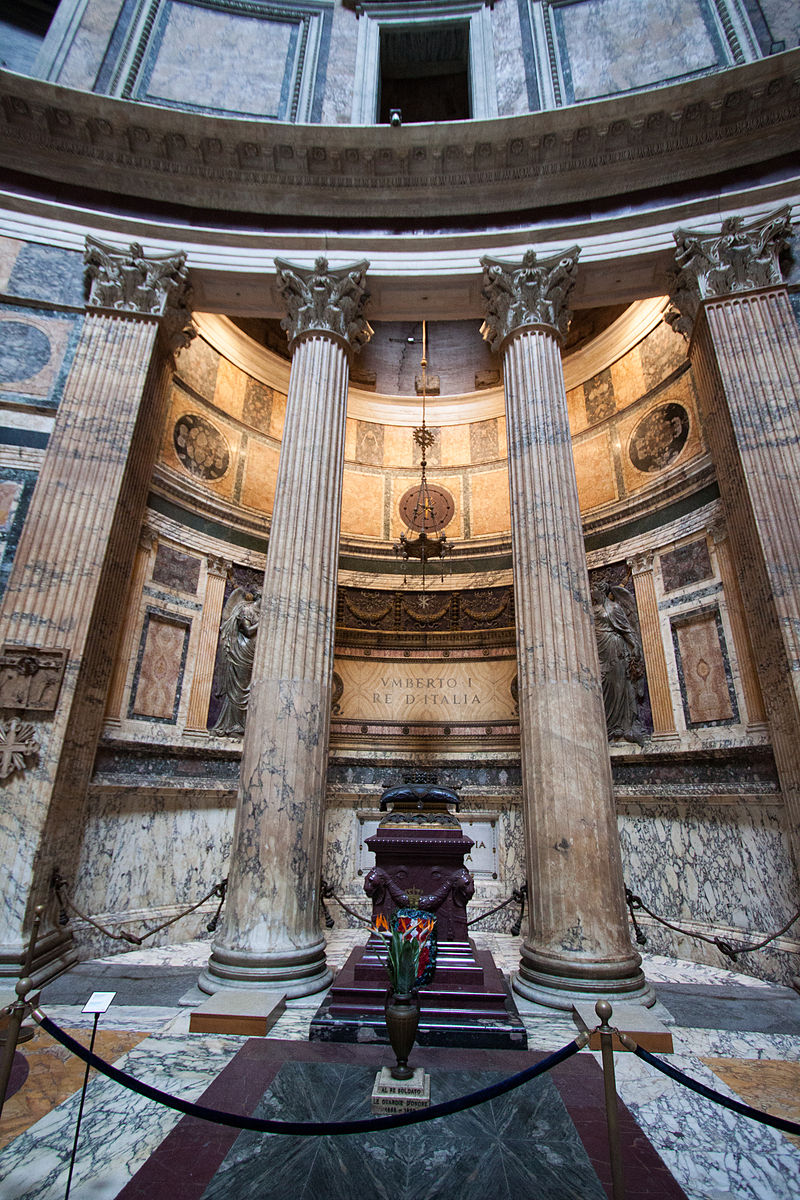
Regicide: the assassination of King Umberto I by anarchist Gaetano Bresci.
Italy
Political
Social Unrest
4 min read
Updated By: History Editorial Network (HEN)
Published:
King Umberto I of Italy was assassinated in Monza by Gaetano Bresci, an anarchist from America. The king's reign was marked by economic hardship and social unrest, leading to widespread dissatisfaction among the Italian population. Umberto's policies favored the wealthy elites, exacerbating the divide between the rich and the poor. Bresci, driven by a desire to avenge the deaths of protesters during a riot in Milan, sought to eliminate the symbol of oppression and inequality that Umberto represented. The assassination sent shockwaves throughout Italy and the rest of Europe. It highlighted the growing tensions between the ruling class and the working class, as well as the increasing influence of anarchist ideology. Umberto's death also raised questions about the security of monarchs in an era of political turmoil and radical movements. The event served as a catalyst for further political upheaval and fueled calls for reform and revolution. In the aftermath of the assassination, Bresci was captured and sentenced to life in prison, where he later died under mysterious circumstances. The Italian government cracked down on anarchist groups, further fueling anti-establishment sentiments. Umberto's son, Victor Emmanuel III, ascended to the throne and attempted to address some of the grievances that had contributed to his father's demise. However, the legacy of the assassination lingered, shaping the political landscape of Italy for years to come. #Assassination #KingUmbertoI #Anarchism #SocialUnrest #Monarchy #Italy
Primary Reference
Umberto I of Italy - Wikipedia

Explore the Life Moments of
 AI Twin