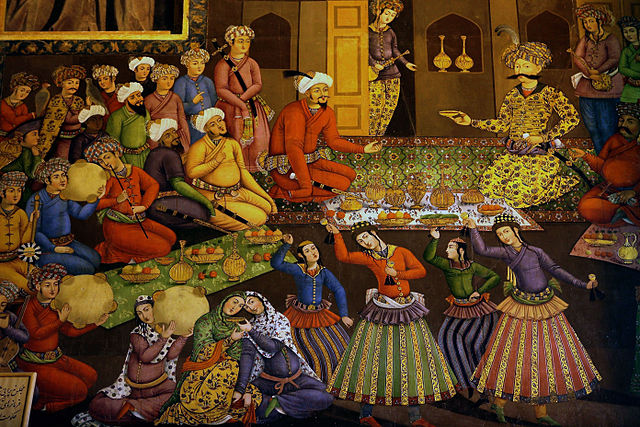
Shah Abbas I Moves Capital to Isfahan - Golden Age of Persian Art
Cultural
4 min read
Updated By: History Editorial Network (HEN)
Published:
In 1598, Shah Abbas I of the Safavid Empire made a pivotal decision to relocate the capital from Tabriz to Isfahan, setting the stage for the flourishing of Persian art and architecture. Tabriz, the former political hub, had faced internal conflicts and invasions, prompting the need for a more centralized and secure capital. Isfahan, strategically located at the heart of the empire, was chosen for its geographic advantages.
The move to Isfahan catalyzed a cultural renaissance known as the golden age of Persian art and architecture. Shah Abbas I embarked on ambitious urban planning projects, transforming Isfahan into a masterpiece of design and innovation. The city's skyline was adorned with magnificent mosques, palaces, bridges, and public squares, showcasing the finest craftsmanship and artistic ingenuity. Skilled artisans and architects were drawn to Isfahan, contributing their expertise to the creation of iconic landmarks such as the Imam Mosque and the Ali Qapu Palace.
This shift in the capital not only revitalized the economy and stimulated trade but also fostered a vibrant cultural exchange with neighboring regions and Europe. Isfahan became a melting pot of ideas, attracting scholars, artists, and intellectuals from far and wide. The Safavid court patronized the arts, leading to the development of distinct Persian styles in painting, carpet weaving, calligraphy, and ceramics.
The legacy of Shah Abbas I's decision to relocate the capital reverberated throughout the centuries, influencing subsequent architectural movements and serving as a testament to the enduring creativity of the Persian people. Isfahan's architectural splendor continues to captivate visitors to this day, offering a glimpse into a bygone era of opulence and refinement.
#SafavidEmpire #Isfahan #PersianArt #ArchitectureRenaissance
Primary Reference
5.2: Safavid Empire - Humanities LibreTexts

Explore the Life Moments of
 AI Twin