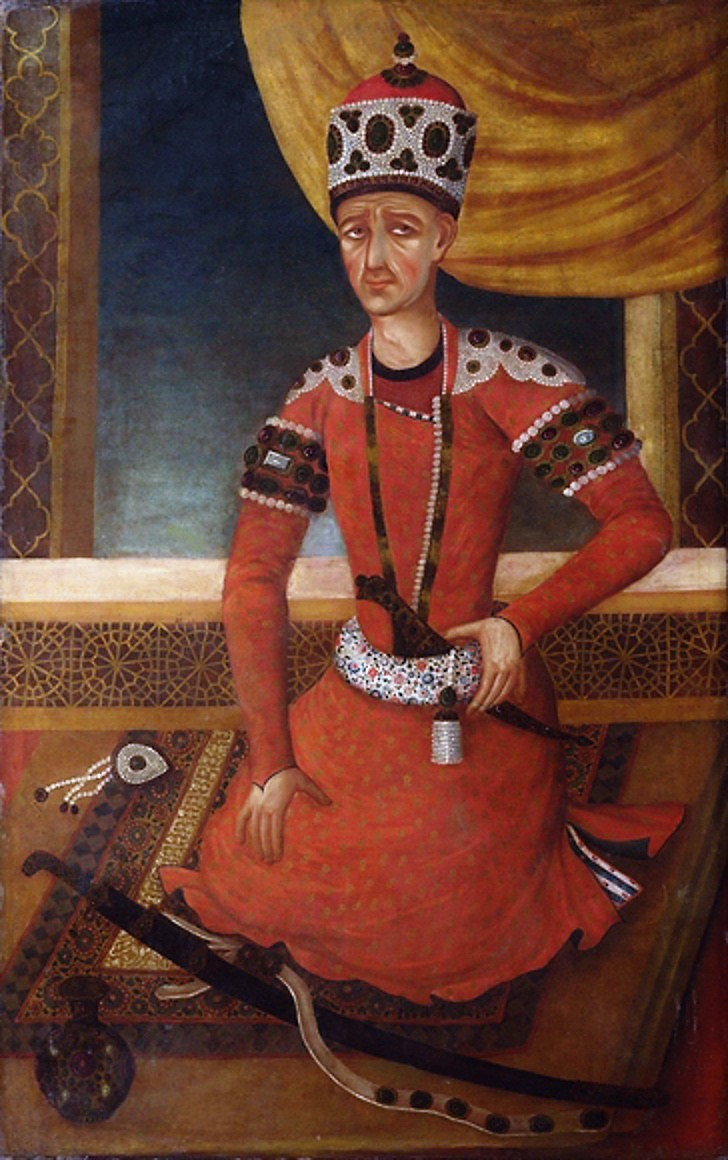
Qajar Dynasty: Agha Mohammad Khan becomes Shah of Persia
Political
4 min read
Updated By: History Editorial Network (HEN)
Published:
Following the assassination of Lotf Ali Khan in 1789, Agha Mohammad Khan ascended to the throne and established the Qajar Dynasty in Persia. Agha Mohammad Khan, a powerful military leader, unified the fragmented country under his rule after years of civil unrest and tribal rivalries. His coronation marked a pivotal moment in Persian history, bringing stability and centralized authority to the region.
The Qajar Dynasty, named after the Turkic Qajar tribe, would rule Persia for nearly 130 years, until the early 20th century. Agha Mohammad Khan's reign was characterized by his ruthless tactics to maintain control, including the massacre of political rivals and suppression of rebellions. Despite these brutal methods, his rule paved the way for a period of relative peace and economic prosperity in Persia.
The establishment of the Qajar Dynasty had a lasting impact on Persia's political landscape, shaping its governance structure and influencing its foreign relations. The new dynasty sought to modernize the country, adopting Western technologies and administrative practices to strengthen its military and economy. However, this modernization process also brought about social and cultural changes that sparked resistance from traditionalists in the country.
Agha Mohammad Khan's coronation as the Shah of Persia signaled a new era for the region, one defined by centralized authority and a drive towards modernization. The Qajar Dynasty's legacy would endure for over a century, leaving an indelible mark on the history of Iran.
#QajarDynasty #AghaMohammadKhan #PersianHistory #CentralizedAuthority #Modernization #Legacy
Primary Reference
Agha Mohammad Khan Qajar - Wikipedia

Explore the Life Moments of
 AI Twin