Persian Constitutional Revolution: Quest for Constitutional Monarchy
PoliticalMovement
4 min read
Updated By: History Editorial Network (HEN)
Published:
In Iran, discontent grew among various sectors of society due to oppressive rule under the Qajar dynasty. The Persian Constitutional Revolution arose with the goal of establishing a constitutional monarchy, aiming to limit the absolute powers of the monarch and create a more representative government.
The movement was fueled by a mix of intellectuals, clergy, merchants, and tribal leaders who sought to modernize Iran's political system. The revolution was marked by widespread protests, strikes, and uprisings demanding a constitution that would guarantee basic rights and establish a parliament.
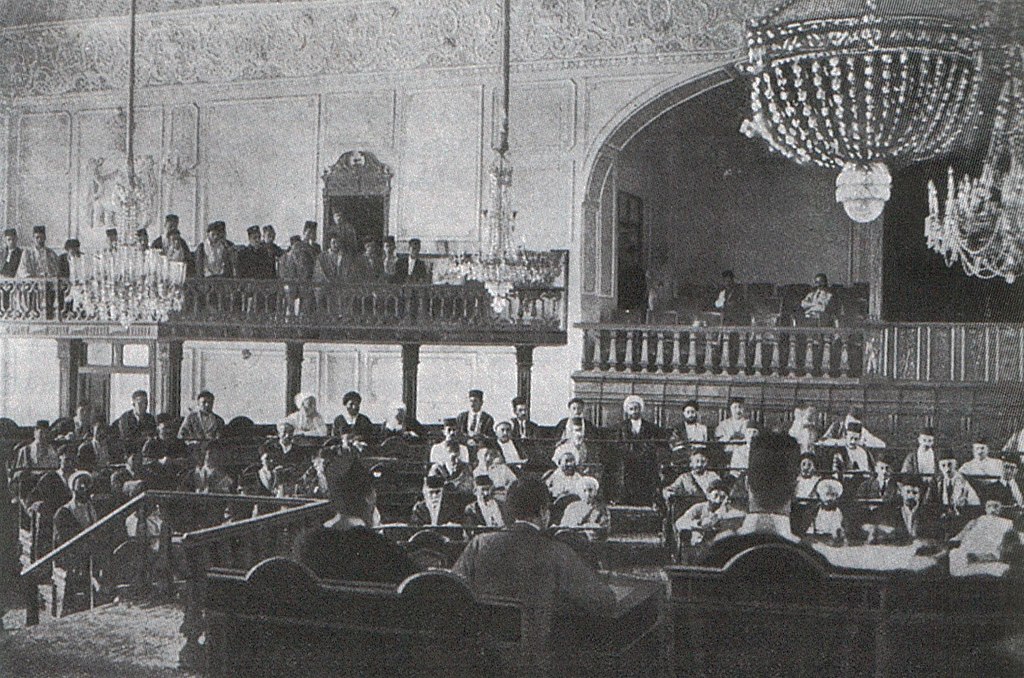
One of the key events during the revolution was the creation of the first Iranian parliament, known as the Majles, in which representatives from different backgrounds gathered to draft a constitution. This marked a significant shift in Iran's political landscape, as it challenged the traditional authority of the Shah.
The revolution also saw the rise of influential figures such as Mirza Malkam Khan and Sattar Khan, who played crucial roles in mobilizing support for the movement. Despite facing opposition from conservative forces and foreign powers, the revolutionaries persisted in their efforts to bring about change.
Ultimately, the Persian Constitutional Revolution laid the groundwork for the establishment of a constitutional monarchy in Iran. While the revolution did not immediately solve all of Iran's political challenges, it set a precedent for future movements advocating for democratic reforms and paved the way for the country's eventual transition to a more democratic system of governance.
#PersianConstitutionalRevolution #Iran #ConstitutionalMonarchy #Majles #HistoricalMovement #PoliticalReform

Explore the Life Moments of
 AI Twin