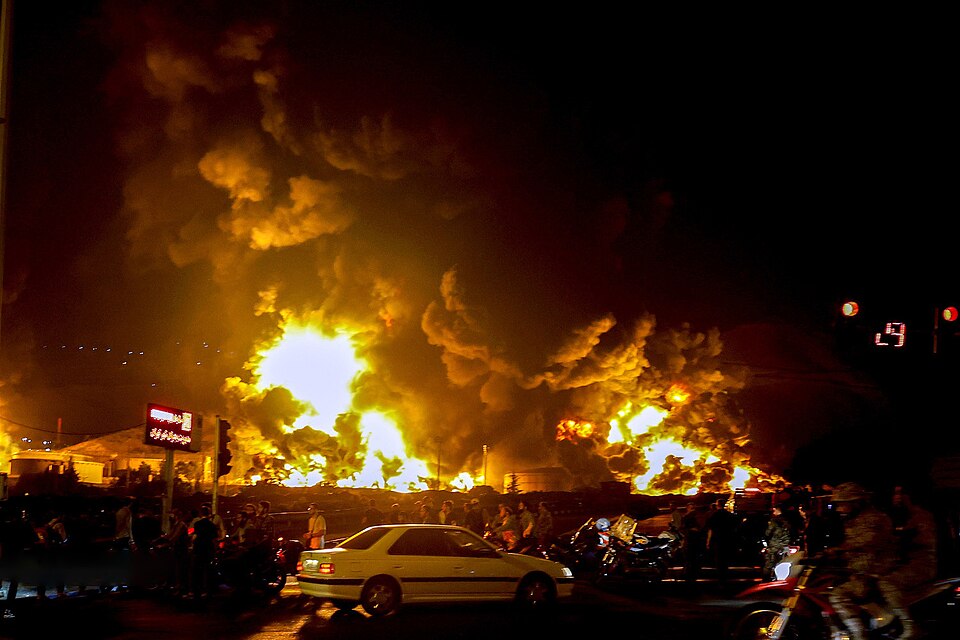
Iran–Israel war (Twelve-Day War) begins with Israeli strikes on Iranian nuclear and military sites
4 min read
Updated By: History Editorial Network (HEN)
Published:
The Iran–Israel war, also referred to as the Twelve-Day War, began with a series of coordinated Israeli strikes on Iranian nuclear and military sites, marking a significant escalation in the long-standing tensions between the two countries. The attacks targeted facilities believed to be involved in Iran’s nuclear program as well as strategic military installations, aiming to disrupt capabilities perceived as a threat to Israel’s national security. The conflict quickly drew international attention due to the potential for regional destabilization, the risk of wider military escalation, and the involvement of allied and proxy forces across the Middle East. Civilian areas in targeted regions faced immediate disruption, and both countries mobilized defensive and offensive measures in response to the strikes.
The outbreak of the Twelve-Day War carries substantial geopolitical and humanitarian implications. The conflict threatens regional stability in the Middle East, affecting neighboring countries, global energy markets, and international diplomatic relations. Governments and international organizations have called for restraint and dialogue, emphasizing the need to protect civilians and prevent further escalation. Analysts note that the war reflects decades of unresolved hostilities, strategic distrust, and competing security priorities between Israel and Iran. Overall, the Twelve-Day War underscores the fragility of peace in the region, highlighting the human, political, and economic costs of military escalation in an already volatile geopolitical environment.
Primary Reference
Iran–Israel war

Explore the Life Moments of
 AI Twin