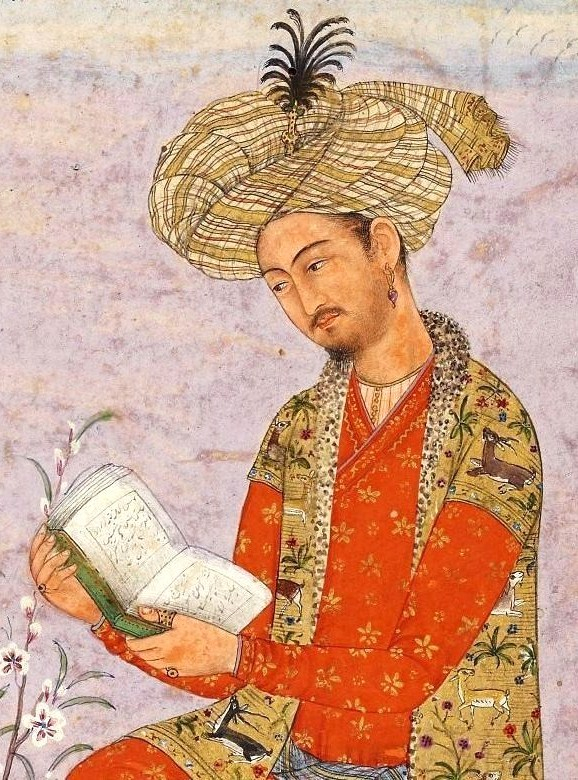
Mughal Empire Established by Babur

CulturalFlourishing
4 min read
Updated By: History Editorial Network (HEN)
Published:
In 1526, the First Battle of Panipat marked the establishment of the Mughal Empire in India by Babur. Descended from Timur and Genghis Khan, Babur aimed to expand his territories from Central Asia into the Indian subcontinent. The battle against Ibrahim Lodhi, the Sultan of Delhi, resulted in Babur's victory, despite being outnumbered.
The impact of Babur's triumph at Panipat was profound. It signaled the beginning of Mughal rule in India, which would last for over three centuries. Babur's military tactics, notably effective use of firearms and artillery, reshaped warfare in the region. The victory also enabled Babur to lay claim to the rich resources and fertile lands of northern India, strengthening his foothold in the subcontinent.
Following his victory, Babur swiftly consolidated his power, capturing key cities such as Delhi and Agra. He established a centralized administration, introducing reforms in taxation and governance. Babur's military prowess and strategic acumen allowed him to overcome regional rivals and solidify his hold over the newly formed Mughal Empire.
The establishment of the Mughal Empire by Babur after the First Battle of Panipat laid the foundation for a dynasty that would leave a lasting impact on Indian history. The Mughals would foster cultural and artistic achievements, including the construction of iconic structures like the Taj Mahal. Babur's descendants, such as Akbar the Great and Shah Jahan, would further expand and beautify the empire, creating a golden age of prosperity and cultural flourishing in India.
#MughalEmpire #Babur #FirstBattleofPanipat #IndianHistory #Dynasty #CulturalFlourishing

Explore the Life Moments of
 AI Twin