Treaty of Pressburg: Hungarian Territory Ceded to Kingdom of Italy
Hungary
Political
Global Trade
4 min read
Updated By: History Editorial Network (HEN)
Published:
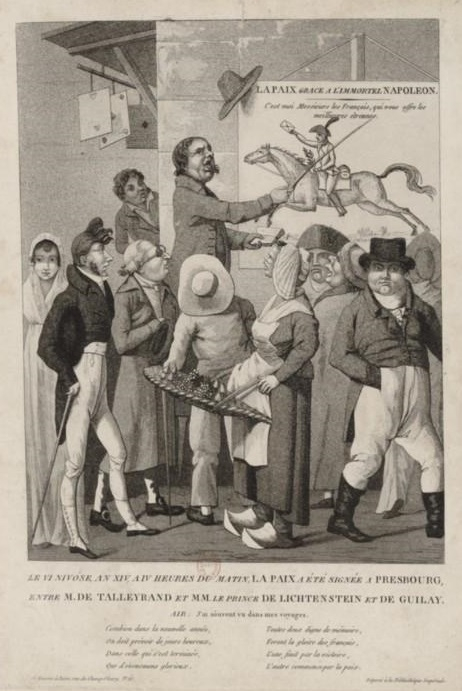
In the aftermath of the Battle of Austerlitz, the Treaty of Pressburg was signed between France and Austria. This accord resulted in the cession of substantial Hungarian territory to the newly established French client state, the Kingdom of Italy. The geopolitical landscape of Europe was significantly altered by this agreement.
France, under the rule of Napoleon Bonaparte, sought to consolidate its influence in Central Europe. The decisive military victory at Austerlitz weakened Austria's position, compelling it to negotiate terms that were favorable to French interests. Consequently, the Treaty mandated Austria to relinquish control over significant portions of Hungarian lands. These territories were subsequently incorporated into the Kingdom of Italy, thereby expanding French dominance in the region.
The cession marked a considerable shift in the balance of power, not only reinforcing Napoleon’s hegemony but also diminishing the territorial extent of the Habsburg Monarchy. This realignment influenced subsequent political and military strategies employed by the European powers. Economically, the loss of these territories impacted Austria's resources and its administrative oversight in the region.
The rearrangement of borders underscored the volatility of alliances and the relentless pursuit of supremacy among European empires. Napoleon’s expansionist policies reshaped the continent’s political geography, which resonated well beyond the immediate consequences of the treaty. Given the extensive reshuffling of territorial possessions, the populations affected experienced changes in governance, economic distributions, and national affiliations.
#TreatyOfPressburg #NapoleonicWars #EuropeanHistory #HungarianHistory #KingdomofItaly #MoofLife
Primary Reference
Austrian Empire - Wikipedia

Explore the Life Moments of
 AI Twin