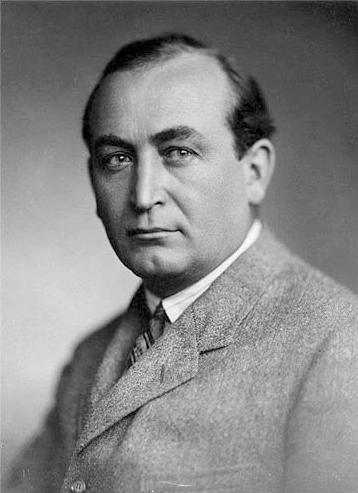
Resignation of Gömbös and Formation of New Government
Hungary
Political
4 min read
Updated By: History Editorial Network (HEN)
Published:
In the political landscape of Hungary, the electoral battle unfolded with significant consequences for Premier Gömbös Gyula. Leading up to this pivotal point, Gömbös steered the nation with an agenda marked by authoritarianism and nationalist policies. His tenure was characterized by efforts to centralize power and align Hungary with other right-wing governments in Europe.
Despite some support for his policies, opposition grew from various corners. Many Hungarians, concerned about the erosion of democratic principles and the aggressive nature of Gömbös's initiatives, started leaning towards more moderate and traditional political factions. Multiple parties, including Social Democrats, Smallholders, and other opposition groups, united in their efforts to challenge Gömbös's rule.
As the elections approached, the tension in the political arena was palpable. Voter turnout was notable, indicating a populace keenly aware of the high stakes. The results handed a clear message to the Gömbös administration; the united opposition garnered a significant portion of the vote, effectively undermining his political dominance. Faced with undeniable defeat and lacking a parliamentary majority, Gömbös had no other option but to announce his resignation from office.
The aftermath of the elections saw the formation of a new government. The opposition, having successfully toppled Gömbös, consolidated their victory by establishing a coalition government. This transition marked a shift towards policies that were more aligned with democratic values and a rejection of the authoritarian rule that had characterized Gömbös's term. The new administration focused on stabilizing the political environment and restoring public confidence in the government.
#HungaryPolitics #ElectionImpact #GovernmentTransition #MoofLife
Primary Reference
Learn About the United States

Explore the Life Moments of
 AI Twin