Border Dispute Treaty Signed by Hungary and Austria
Hungary
Political
European
5 min read
Updated By: History Editorial Network (HEN)
Published:
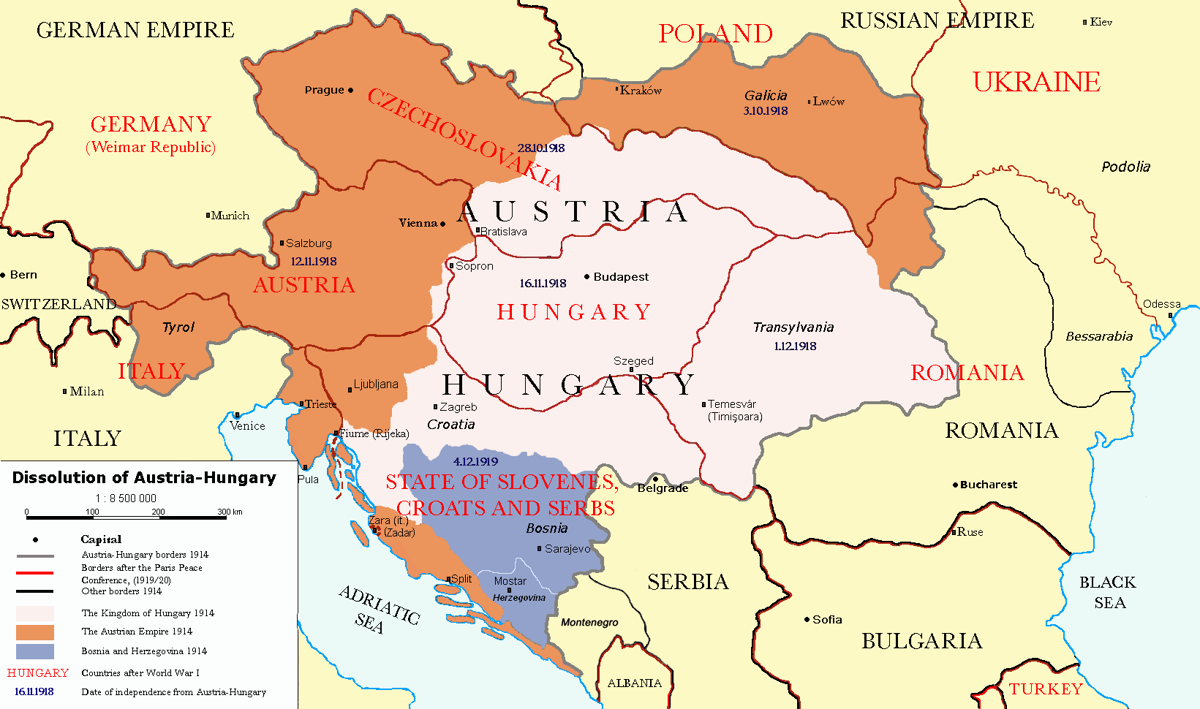
The Treaty of Pressburg, concluded between Hungary and Austria, aimed at resolving longstanding border disputes. The backdrop of this agreement lies in the historical context of territorial tensions within the Holy Roman Empire and the pressures from Napoleonic Wars. The intricacies of Hungarian and Austrian ambitions had led to repeated, unresolved conflicts over territorial claims, necessitating a diplomatic solution.
The accord was finalized in Pressburg, a strategic location chosen for its significance and neutrality. The negotiations reflected a period of intense political maneuvering, involving representatives extensively versed in the legal and historical claims of both sides. The discussions adhered strictly to the geopolitical realities shaped by the broader European conflicts and efforts to stabilize regional power balances.
The Treaty had profound implications for the geopolitical landscape of Central Europe. By clearly defining borders, it intended to mitigate constant territorial skirmishes and provide a framework for future co-operation between Hungarian and Austrian entities. This clarity also contributed to reducing military expenditures associated with border patrols and defense, diverting resources toward more progressive state functions such as infrastructure and education.
While the precise land allocations varied across different border segments, the most critical adjustments pertained to key fortresses and resource-rich territories that had been points of contention. The terms also encompassed economic aspects, addressing tariffs and trade routes, thus fostering a climate of reciprocal economic benefit.
Importantly, the Treaty was not an isolated event but part of broader European transformations. Post-treaty, there was a phase of relative peace and stability in the Hungarian border regions, contributing to a decline in localized military conflicts. The long-term effect rippled through in terms of improved bilateral relations and a more stable Central European political environment.
With the Treaty of Pressburg, a chapter of recurrent border disputes closed, ushering in a period focused on reconstruction and modernization. This development underscored the broader trajectory towards a more orderly and negotiated European order amidst the flux of early 19th-century politics.
#Hungary #Austria #BorderDisputes #Diplomacy #HistoricalTreaty #EuropeanHistory #MoofLife
Primary Reference
Austria - Napoleonic Wars, Resistance, Defeat | Britannica

Explore the Life Moments of
 AI Twin