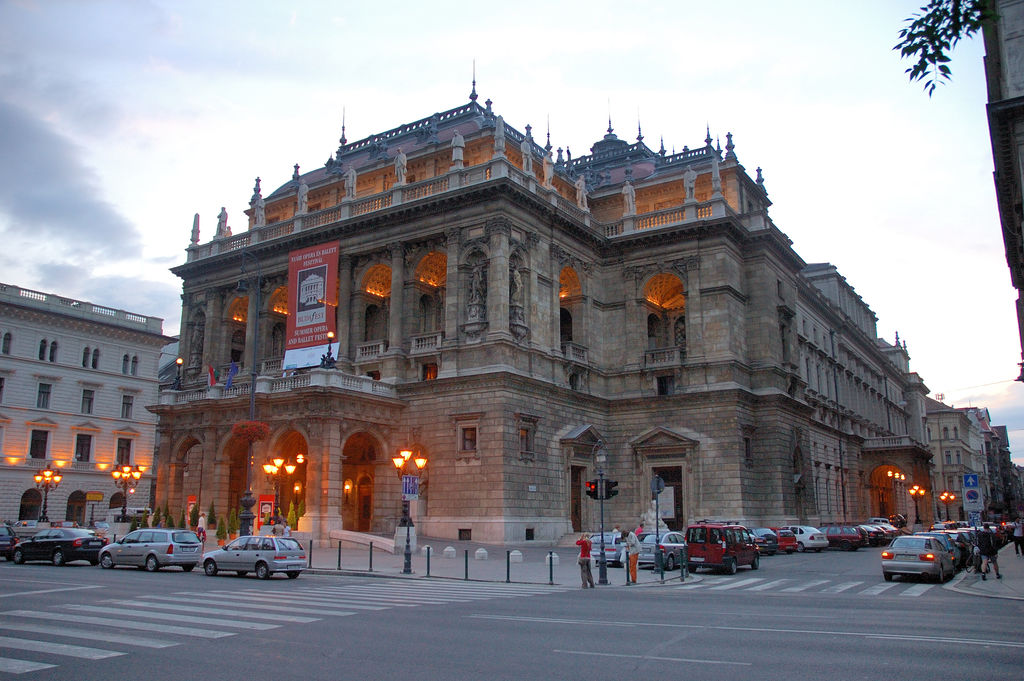
Foundation stone laid for State Opera House in Budapest
Hungary
Cultural Heritage
Architecture
5 min read
Updated By: History Editorial Network (HEN)
Published:
The laying of the foundation stone for the Hungarian State Opera House in Budapest marked a pivotal development in Hungary's cultural and architectural history. Located in the heart of Budapest, this event was significant for the burgeoning national identity and the flourishing arts scene in the late 19th century. The commissioning of the Opera House was a direct response to the cultural aspirations of the Hungarian people following the Austro-Hungarian Compromise, which granted Hungary greater autonomy within the empire.
Architect Miklós Ybl, a leading figure in the Hungarian Romantic architecture movement, was selected to design the building. Ybl's vision was to create an opera house that compared favorably to the finest in Europe, aligning with Budapest's growing importance as a cultural capital. He embraced an eclectic style, combining elements from the Renaissance and Baroque traditions, ensuring the Opera House would not only function as a performance venue but also as a monument to Hungarian artistry and craftsmanship.
The foundation stone's laying ceremony was attended by dignitaries, artists, and citizens, symbolizing national pride and collective ambition. The project promised to create a high-quality venue for Hungarian artists and bring internationally acclaimed performances to a local audience. It aimed to foster a deeper appreciation for opera and ballet, subsequently contributing to the development of Hungarian musical and theatrical traditions.
The construction of the Hungarian State Opera House spanned nearly a decade, reflecting both the meticulous architectural work and the economic investment necessary for such an undertaking. When it finally opened, the Opera House boasted a seating capacity of over 1,200 and a richly adorned interior that showcased Hungarian motifs and celebrated local heritage.
The Opera House quickly became a symbol of national pride and a beacon for cultural activities. It played a crucial role in promoting Hungarian composers and performers, serving as a stage for the premieres of works by Béla Bartók and Zoltán Kodály, among others. As the cultural heartbeat of Budapest, the Hungarian State Opera House continues to attract audiences from around the world, maintaining its reputation as one of Europe’s most prestigious opera venues.
#HungarianCulture #BudapestOpera #ArchitecturalHeritage #MiklósYbl #CulturalMilestone #MoofLife
Primary Reference
Opera house interior stage hi-res stock photography and images ...

Explore the Life Moments of
 AI Twin