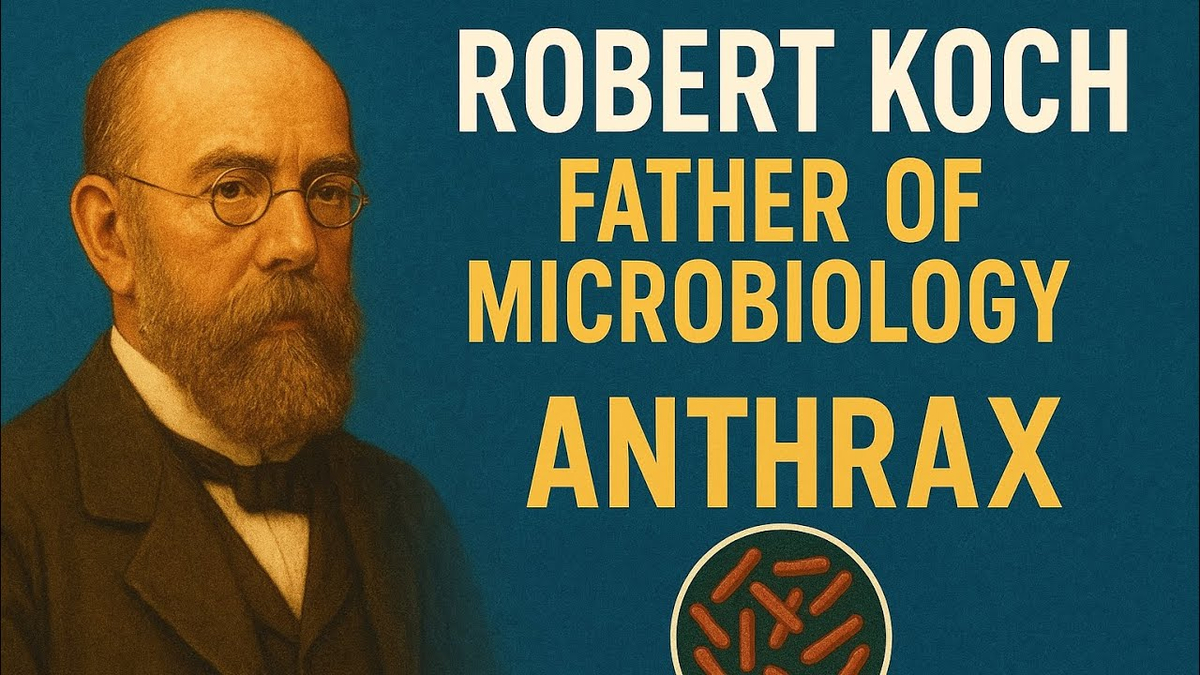
Koch's treatise on bacterial pathology
Berlin, Germany
Medical Research
Microbiology
Infectious Diseases
3 min read
Updated By: History Editorial Network (HEN)
Published:
Updated:
Robert Koch's treatise on bacterial pathology marked a pivotal advancement in the understanding of infectious diseases. His work focused on the role of bacteria in the pathology of wounds, providing a scientific basis for the germ theory of disease. This theory posited that microorganisms are the cause of many diseases, fundamentally changing the approach to medical science and public health. Koch's research included meticulous observations and experiments that demonstrated how bacteria could invade tissues, multiply, and lead to infection. His findings laid the groundwork for modern microbiology and established protocols for isolating and identifying pathogens, which are still in use today.
The impact of Koch's treatise extended beyond the laboratory; it influenced clinical practices and public health policies. By establishing a clear link between bacteria and disease, Koch's work prompted the development of sanitation measures and hygiene practices aimed at controlling infections. His later discovery of the tubercle bacillus further solidified his reputation and the validity of germ theory. Koch's contributions not only advanced scientific knowledge but also improved health outcomes, as they led to better diagnosis, treatment, and prevention of bacterial infections. His legacy continues to resonate in contemporary medicine, where understanding bacterial pathology remains crucial for combating infectious diseases.
#mooflife
#MomentOfLife
#Koch
#BacterialPathology
#GermTheory
#InfectiousDiseases
#Microbiology
Primary Reference
Robert Koch

Explore the Life Moments of
 AI Twin