Establishment of Saint-Domingue's French Colony
Haiti

Colonialism
4 min read
Updated By: History Editorial Network (HEN)
Published:
During the later half of the 17th century, the French established the colony of Saint-Domingue on the western third of the Caribbean island of Hispaniola. This move came after the Treaty of Ryswick, which officially recognized Spanish control over the rest of the island.
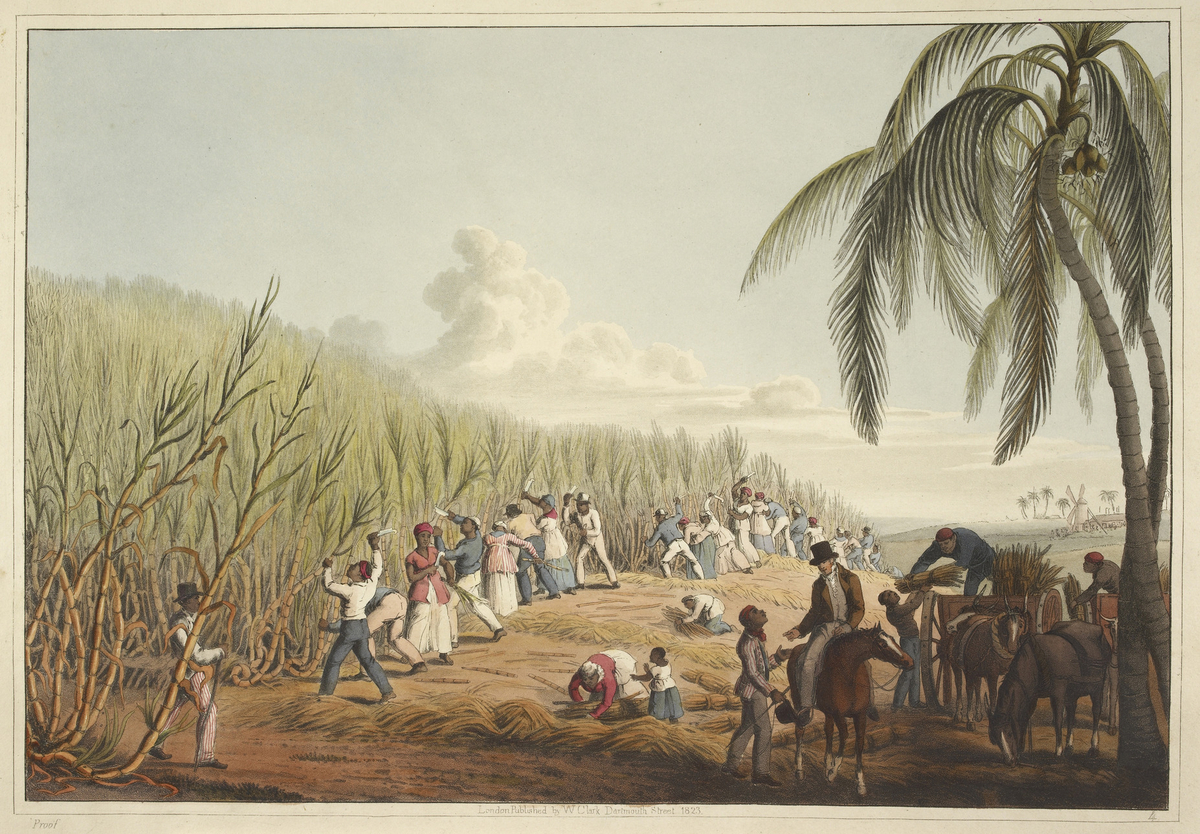
Saint-Domingue quickly became a lucrative colony due to its fertile land and ideal climate for sugar plantations. The French brought in enslaved Africans to work on these plantations, leading to a massive increase in the colony's wealth. By the 18th century, Saint-Domingue was one of the richest colonies in the Caribbean and a key player in the Atlantic slave trade.
The colony's economy was heavily reliant on sugar production, with most of the profits flowing back to France. This increased wealth led to a growing divide between the wealthy white plantation owners and the enslaved African population.
The French colony of Saint-Domingue played a significant role in the world economy during this period, providing France with immense wealth and solidifying its status as a colonial power in the Caribbean. However, this economic success came at a steep cost, as the brutal treatment of enslaved Africans and the harsh conditions on the plantations fueled tensions that would eventually erupt into a violent revolution.
The establishment of the French colony of Saint-Domingue marked the beginning of a complex and tumultuous chapter in the history of the Caribbean. The legacy of this period can still be felt today, as Haiti continues to grapple with the consequences of its colonial past.
#FrenchColonization #SugarPlantations #TransatlanticSlaveTrade #CaribbeanHistory #Colonialism #Haiti

Explore the Life Moments of
 AI Twin