Establishment of Spanish Colonial Rule in Hispaniola
Haiti
Global Trade
4 min read
Updated By: History Editorial Network (HEN)
Published:
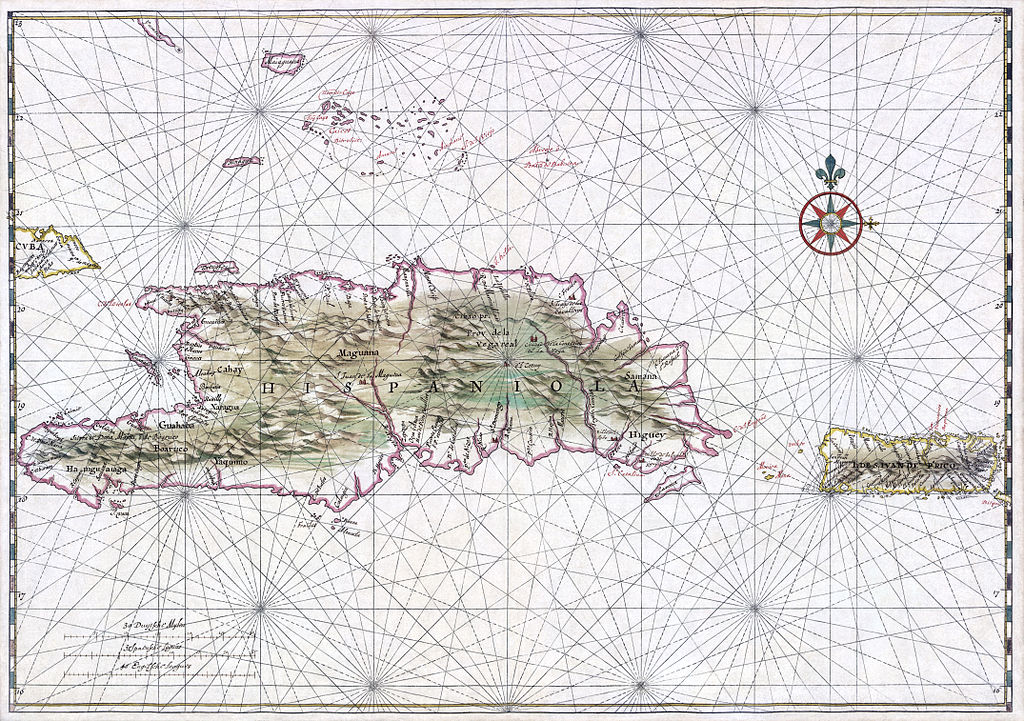
Following Christopher Columbus' successful first voyage to the Americas, the Spanish established colonial rule in Hispaniola. This marked the beginning of European colonization in the Caribbean. The Spanish sought to exploit the island's resources, primarily gold, and establish a foothold in the New World.
The impact of Spanish colonial rule on Hispaniola was profound. The native Taino population suffered greatly from forced labor, diseases, and violent conquest. Many were enslaved or killed, leading to a drastic decline in their population. The Spanish also brought African slaves to the island to work on plantations, further shaping the demographics and culture of the region.
Under Spanish rule, Hispaniola became an important center for the Spanish Empire in the Caribbean. The capital city of Santo Domingo was founded in 1498 and served as the base for further Spanish conquests in the region. The island's strategic location made it a key stopover for Spanish ships traveling between Europe and the Americas.
The legacy of Spanish colonial rule in Hispaniola can still be seen today. The Spanish language, Catholic religion, and European architectural influences remain pervasive in Haiti and the Dominican Republic. The history of exploitation and violence during this period has also left lasting scars on the collective memory of the island's inhabitants.
In conclusion, the establishment of Spanish colonial rule in Hispaniola marked the beginning of European dominance in the Caribbean and had far-reaching consequences for the island's indigenous population. The legacy of this period continues to shape the cultural and historical landscape of Haiti. #SpanishColonization #EuropeanConquest #CaribbeanHistory

Explore the Life Moments of
 AI Twin