The Political Legacy of Former President João Bernardo Vieira and His 1999 Deposition
Guinea Bissau
Politics
Leadership
3 min read
Updated By: History Editorial Network (HEN)
Published:
Updated:
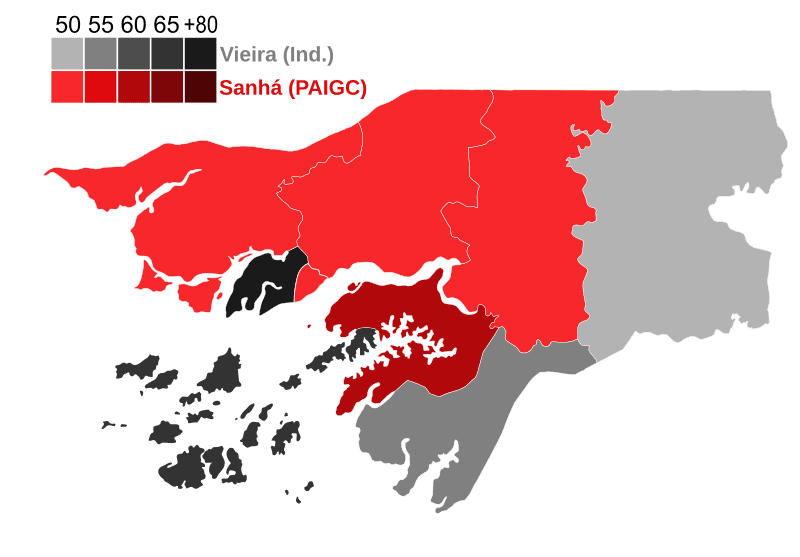
In June 2005, Guinea-Bissau held its presidential elections, marking the first electoral process since the coup that ousted President Kumba Ialá. Ialá, representing the Social Renewal Party (PRS), returned to the political arena claiming legitimacy as the rightful president. However, the elections concluded with João Bernardo Vieira, a former president who had been deposed in a 1999 coup, emerging victorious. Vieira secured his position after a run-off election against Malam Bacai Sanhá. Despite the official results, Sanhá contested the outcome, alleging electoral fraud and tampering in two key constituencies, including the capital, Bissau. This claim led to a tense political atmosphere as Sanhá initially refused to concede defeat. Nevertheless, foreign monitors reported that the elections were conducted in a 'calm and organized' manner, despite some concerns regarding the potential for violence, including reports of arms entering the country prior to the elections and isolated disturbances during the campaign period, such as attacks on government offices by unidentified gunmen. The 2005 elections were a significant step towards restoring democratic governance in Guinea-Bissau, reflecting the complexities of its political landscape.
#Mooflife #Mof #MomentOfLife #Guinea-bissau #2005Elections #JoãoBernardoVieira #MalamBacaiSanhá #PoliticalHistory

Explore the Life Moments of
 AI Twin