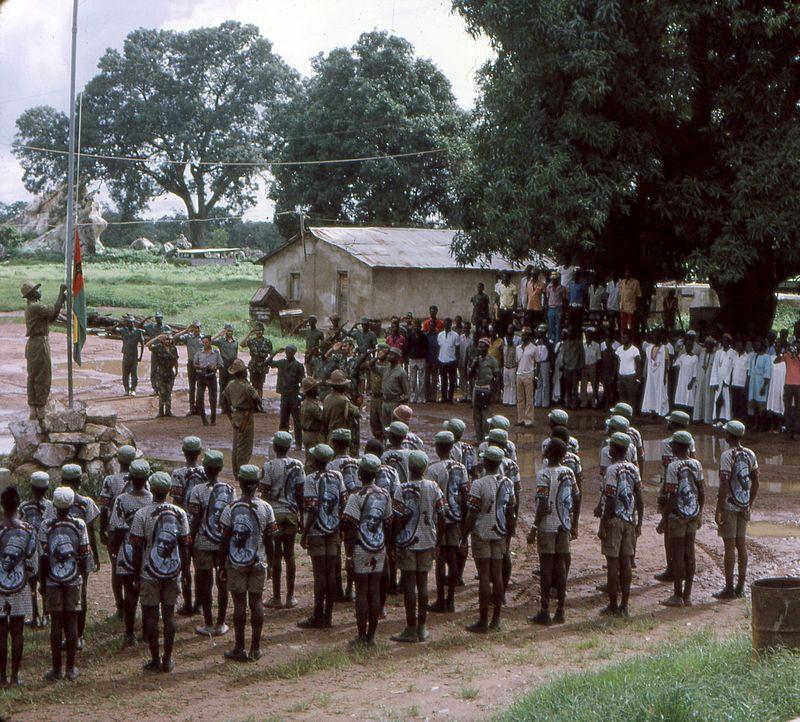
Guinea-Bissau Unilaterally Declared Its Independence
Guinea Bissau

Politics
Cultural Studies
3 min read
Updated By: History Editorial Network (HEN)
Published:
Updated:
On 24 September 1973, Guinea-Bissau unilaterally declared its independence, marking a significant milestone in its history. This date is now celebrated annually as Independence Day, a public holiday that honors the nation's struggle for freedom. The formal recognition of Guinea-Bissau's independence came later, on 10 September 1974, solidifying its status as a sovereign nation. Notably, Romania, under the leadership of Nicolae Ceaușescu, was the first country to recognize Guinea-Bissau's independence and to establish formal agreements with the African Party for the Independence of Guinea and Cape Verde. This early recognition played a crucial role in the international acceptance of Guinea-Bissau as an independent state. The declaration of independence not only marked the end of colonial rule but also set the stage for the country's development and identity on the global stage.
#Mooflife #Mof #MomentOfLife #Guinea-bissau #IndependenceDay #NicolaeCeaușescu #AfricanPartyForTheIndependence #ColonialHistory
Explore the Life Moments of
 AI Twin