Thule Culture: Their Journey from Alaska to Greenland Around 1000 to 1300 AD
Culture
Archaeology
3 min read
Updated By: History Editorial Network (HEN)
Published:
Updated:
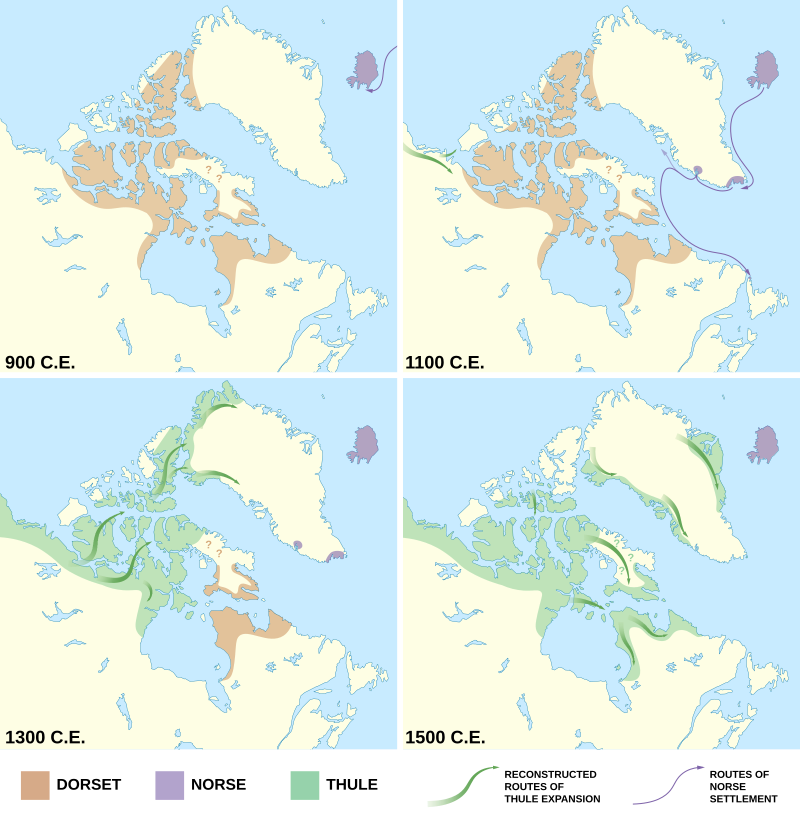
The Thule culture, which emerged around 1000 AD, represents a significant chapter in the history of Greenland. Migrating eastward from what is now Alaska, the Thule people reached Greenland by approximately 1300 AD. They are recognized as the ancestors of the current Greenlandic population, with no genetic traces of the earlier Paleo-Inuit found in modern inhabitants.
The Thule culture is notable for its technological innovations, including the introduction of dog sleds and toggling harpoons, which greatly enhanced hunting and transportation in the Arctic environment. These advancements allowed the Thule people to thrive in the challenging conditions of Greenland. Additionally, historical accounts suggest interactions, both peaceful and conflictual, between the Thule and the Norse populations, as documented in 'The Norse Atlantic Sagas' by Gwyn Jones. This period marks a crucial transition in the cultural and technological landscape of Greenland, laying the foundation for the Inuit culture that persists today.
#Mooflife #MomentOfLife #ThuleCulture #GreenlandHistory #InuitAncestry #TechnologicalInnovations #NorseContact

Explore the Life Moments of
 AI Twin