Impact of Temperature Changes on the Greenland Ice Sheet and Global Climate
Climate Change
Environmental Science
Geography
3 min read
Updated By: History Editorial Network (HEN)
Published:
Updated:
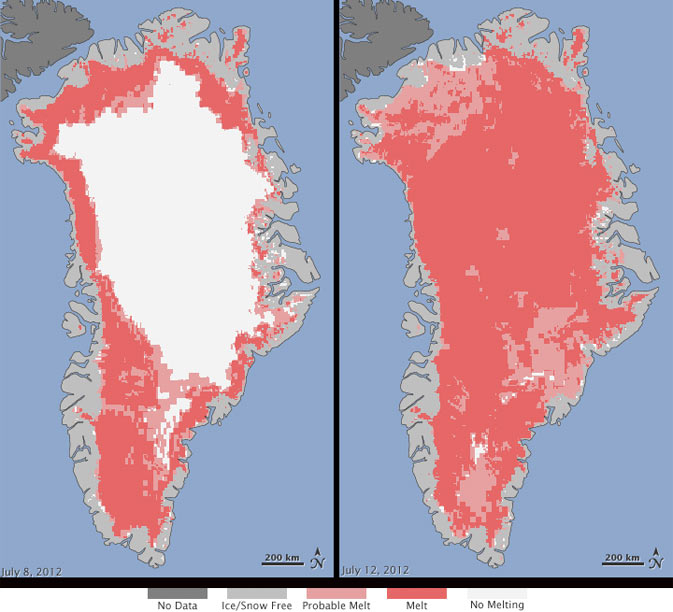
Since the early 1900s, Greenland has experienced a significant warming trend, which has had profound implications for its ice sheet. Historically, the ice sheet maintained a balance between ice calving at its coasts and the accumulation of snowfall. However, as temperatures began to rise around 1900, this balance was disrupted. By the 1980s, the rate of ice loss began to exceed the rate of snowfall accumulation, marking a critical turning point in the region's climate dynamics. The situation has only worsened since then; after 1996, Greenland has not recorded a single year of net ice gain.
The 2010s saw an alarming acceleration in ice loss, raising concerns about the long-term stability of the Greenland ice sheet and its contribution to global sea level rise. The ongoing warming trend poses significant challenges not only for Greenland's environment but also for global climate patterns, as the melting ice contributes to rising sea levels and alters oceanic currents. Understanding the implications of this warming is crucial for developing effective climate policies and mitigating the impacts of climate change on a global scale.
#Mooflife #MomentOfLife #GreenlandWarming #ClimateChange #IceLoss #SeaLevelRise #EnvironmentalImpact

Explore the Life Moments of
 AI Twin