The Evolution of Greenlandic Painting from Aron von Kangeq to Contemporary Artists
Art
Culture
3 min read
Updated By: History Editorial Network (HEN)
Published:
Updated:
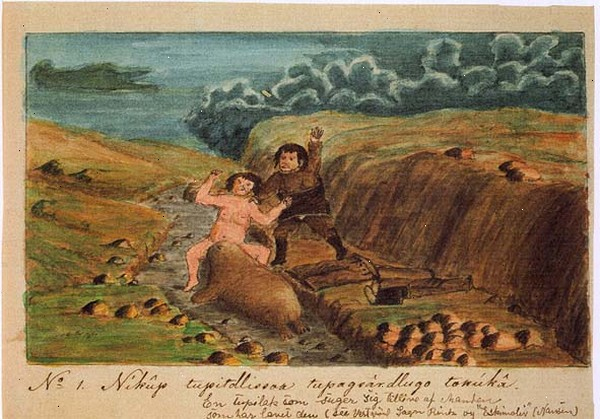
The history of Greenlandic painting can be traced back to the mid-19th century with the pioneering work of Aron von Kangeq. His drawings and watercolours vividly depicted the old Greenlandic sagas and myths, laying the foundation for a unique artistic tradition that would flourish in the years to come. Kangeq's contributions not only preserved the rich cultural narratives of Greenland but also inspired future generations of artists. As the 20th century unfolded, Greenlandic art saw significant developments, particularly in landscape and animal painting. Artists such as Kiistat Lund and Buuti Pedersen gained international recognition for their stunning landscape works, which captured the breathtaking beauty of Greenland's natural environment.
Additionally, printmaking and book illustrations emerged as popular mediums, often characterized by expressive coloring that brought the stories and landscapes to life. Anne-Birthe Hove further expanded the thematic scope of Greenlandic art by focusing on social life, providing a glimpse into the everyday experiences of Greenlanders. Today, the Nuuk Art Museum stands as a testament to this evolving artistic heritage, showcasing the diverse talents and narratives that define Greenlandic painting.
#Mooflife #MomentOfLife #GreenlandicArt #AronVonKangeq #20thCenturyPainting #NuukArtMuseum #CulturalHeritage

Explore the Life Moments of
 AI Twin