Impact of the Tangshan Earthquake on China
Natural Disasters
China
4 min read
Updated By: History Editorial Network (HEN)
Published:
Updated:
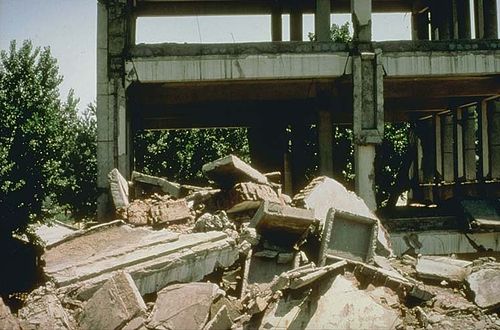
The Tangshan earthquake, one of the deadliest natural disasters in recorded history, struck the city of Tangshan in China, resulting in a catastrophic loss of life and widespread destruction. The earthquake's estimated death toll ranges from 242,419 to 655,000, making it the most lethal earthquake of the 20th century. The event caused extensive damage to infrastructure, with over 90% of the buildings in Tangshan collapsing. The city, which was home to approximately one million residents, faced a complete breakdown of services, including water, electricity, and transportation. The aftermath of the earthquake saw a massive humanitarian crisis, as survivors struggled to find food, shelter, and medical care amidst the rubble. The scale of the disaster prompted a significant response from the Chinese government, which mobilized military and civilian resources to aid in rescue and recovery efforts.
The impact of the Tangshan earthquake extended beyond immediate casualties and destruction. It led to changes in building codes and disaster preparedness in China, as the government recognized the need for improved infrastructure to withstand future seismic events. The disaster also had long-term social and economic effects, as the city of Tangshan underwent a lengthy process of reconstruction and recovery. The event is often cited in discussions about earthquake preparedness and response, highlighting the importance of early warning systems and community resilience. The Tangshan earthquake remains a pivotal moment in China's history, shaping policies and practices related to disaster management and urban planning.
#mooflife
#MomentOfLife
#TangshanEarthquake
#China
#NaturalDisasters
#DisasterManagement
#EarthquakeImpact

Explore the Life Moments of
 AI Twin