Devastating Yangtze Flood in China
Natural Disasters
China
4 min read
Updated By: History Editorial Network (HEN)
Published:
Updated:
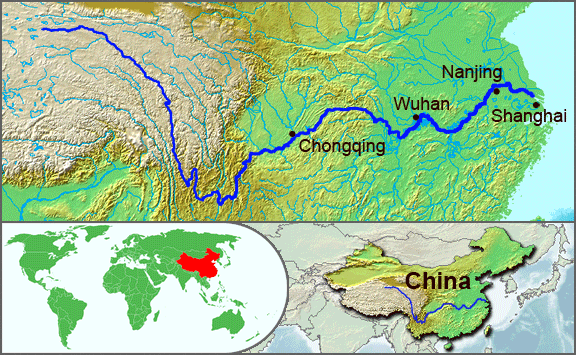
The Yangtze River has a long history of flooding, with several catastrophic events recorded over the centuries. Among these, the 1935 Yangtze flood stands out as a major disaster, resulting in the deaths of approximately 145,000 individuals. This flood was part of a series of significant flooding events that have affected the region, highlighting the vulnerability of communities living along the riverbanks. The Yangtze River, being the longest river in Asia, plays a crucial role in the ecology and economy of China, but its propensity for flooding poses ongoing risks to the population and infrastructure. The impact of the 1935 flood was profound, leading to widespread destruction of homes, agricultural land, and critical infrastructure, which in turn caused long-term economic challenges for the affected areas.
In the aftermath of the flood, the Chinese government and local authorities faced the daunting task of recovery and rebuilding. The scale of the disaster prompted discussions about flood management and the need for improved infrastructure to mitigate future risks. The 1935 flood, along with other historical flooding events, has influenced policies regarding river management and disaster preparedness in China. The lessons learned from such disasters continue to inform current practices in flood control and emergency response, as the Yangtze River remains a vital resource for millions of people. The historical context of these floods underscores the importance of sustainable management of river systems to protect communities from the devastating effects of natural disasters.
#mooflife
#MomentOfLife
#YangtzeRiver
#ChinaFloods
#DisasterManagement
#FloodHistory
#InfrastructureImpact

Explore the Life Moments of
 AI Twin