2026 Kumamoto Earthquake in Japan: Deaths, Damage, and Emergency Response
Kumamoto Prefecture, Kyushu, Japan
Natural disaster
6 min read
Updated By: History Editorial Network (HEN)
Published:
The 2026 Kumamoto earthquake struck southwestern Japan on 28/07/2026 at approximately 4:27 p.m. JST, affecting Kumamoto Prefecture on the island of Kyushu. The earthquake was measured at moment magnitude (Mw) 6.8 by the U.S. Geological Survey (USGS) after an initial estimate of 7.1, while the Japan Meteorological Agency (JMA) reported a preliminary Mj 7.1. The epicenter was located near Uto City on the northeastern segment of the Hinagu Fault, and the strongest shaking reached Japan's maximum seismic intensity of 7 in Uki City and Hikawa Town.
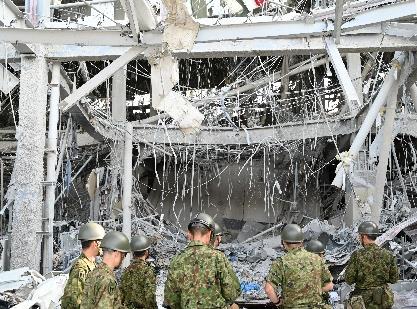
As rescue and recovery operations continued in the days following the earthquake, the confirmed death toll rose to 38 people, with more than 120 injuries reported. One of the deadliest incidents occurred at Aeon Mall Kumamoto in Kashima, where a gas explosion following the earthquake killed seven people. Another major tragedy occurred at the Nippon Paper Industries factory in Yatsushiro, where a collapsing chimney caused multiple fatalities. Authorities also reported landslides, collapsed buildings, damaged bridges, buckled roads, and an overturned train across the affected region. More than 46,000 households lost electricity immediately after the quake, while widespread disruptions affected water supplies and communications in several communities.
Transportation throughout Kumamoto Prefecture was heavily disrupted. Operations on the Kyushu Shinkansen were suspended while railway infrastructure was inspected, all commercial flights at Kumamoto Airport were canceled, and several highways were closed because of bridge damage, road deformation, and landslides. More than one hundred aftershocks complicated rescue operations and increased concerns about additional slope failures. A tsunami advisory was briefly issued for the Ariake Sea before being lifted after assessments showed no major tsunami threat.
The Japanese government launched a large scale emergency response led by Prime Minister Sanae Takaichi. More than 4,600 members of the Japan Self-Defense Forces were mobilized to assist police, firefighters, and local emergency services in search and rescue operations. Approximately 10,000 displaced residents were accommodated in around 450 temporary evacuation shelters, where authorities also addressed heat related health risks caused by high summer temperatures. Emergency teams worked to restore electricity, reopen transportation routes, and provide food, water, medical care, and temporary cooling equipment for evacuees.
Why This Moment Matters:
The 2026 Kumamoto earthquake highlighted how secondary hazards, including structural failures, industrial accidents, and extreme summer heat, can substantially increase the human impact of a major earthquake. It also tested emergency planning in a region that had already experienced destructive earthquakes in 2016, demonstrating both the continued seismic risk along the Hinagu Fault system and the importance of coordinated disaster response.
#KumamotoEarthquake
#Japan
#Earthquake
#NaturalDisaster
#Kyushu
#EmergencyResponse
#SeismicActivity

Explore the Life Moments of
 AI Twin