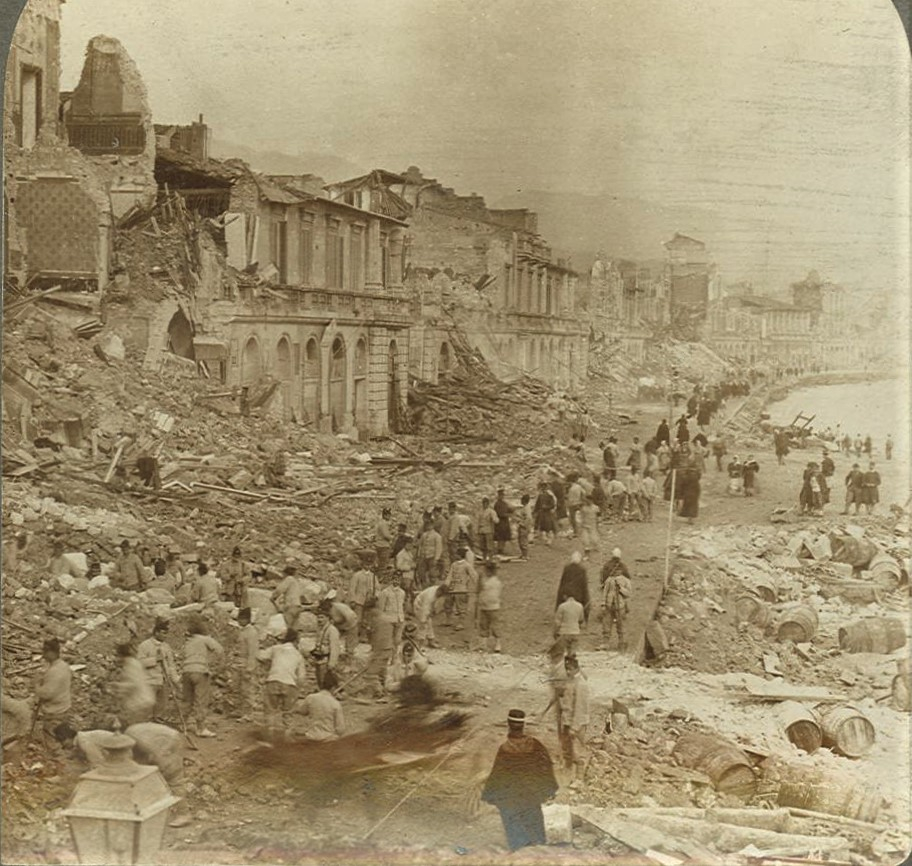
Devastating Messina Earthquake in Italy
Natural Disasters
Earthquakes
4 min read
Updated By: History Editorial Network (HEN)
Published:
Updated:
The Messina earthquake, which struck the Calabria and Messina regions of Italy, is one of the most catastrophic seismic events in European history. This earthquake resulted in extensive destruction, particularly in the city of Messina, where buildings collapsed and infrastructure was severely damaged. The magnitude of the earthquake is estimated to have been around 7.1, leading to a death toll that is believed to be between 60,000 and 100,000 people. The impact on the local population was profound, as entire neighborhoods were obliterated, and survivors faced the immediate challenges of homelessness and loss of loved ones. The disaster prompted a significant humanitarian response, with aid coming from various parts of Italy and beyond, highlighting the need for coordinated disaster relief efforts in the face of such overwhelming destruction.
In addition to the human toll, the earthquake had lasting economic implications for the region. The destruction of infrastructure, including roads, bridges, and public buildings, hindered recovery efforts and delayed economic revitalization. The event also led to changes in building codes and urban planning in Italy, as the need for earthquake-resistant structures became evident. The Messina earthquake serves as a critical case study in understanding the social and economic impacts of natural disasters, emphasizing the importance of preparedness and resilience in vulnerable regions. The lessons learned from this tragedy continue to inform disaster management practices and policies aimed at mitigating the effects of future seismic events.
#mooflife
#MomentOfLife
#MessinaEarthquake
#Calabria
#Italy
#NaturalDisaster
#EarthquakeImpact

Explore the Life Moments of
 AI Twin