2011 Tōhoku earthquake and tsunami
Natural Disasters
Geological Events
Emergency Response
3 min read
Updated By: History Editorial Network (HEN)
Published:
Updated:
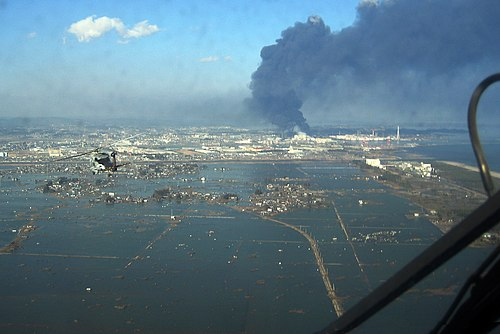
The Tōhoku earthquake and tsunami was a catastrophic natural disaster that struck the northeastern region of Japan, causing extensive loss of life and widespread destruction. The earthquake, with a magnitude of 9.0, was one of the most powerful ever recorded. It triggered a massive tsunami that reached heights of over 40 meters in some areas, inundating coastal towns and cities. The disaster resulted in thousands of fatalities and left many more injured or displaced. Infrastructure was severely damaged, including roads, bridges, and buildings, leading to significant challenges in rescue and recovery efforts. The impact on the population was profound, with entire communities devastated and many families losing their homes and livelihoods. The disaster also caused a nuclear crisis at the Fukushima Daiichi Nuclear Power Plant, where reactor meltdowns occurred, leading to the release of radioactive materials and the evacuation of nearby residents. This incident raised global concerns about nuclear safety and prompted discussions on energy policies worldwide.
#mooflife
#MomentOfLife
#TōhokuEarthquake
#JapanTsunami
#NaturalDisaster
#FukushimaCrisis
#EarthquakeImpact

Explore the Life Moments of
 AI Twin