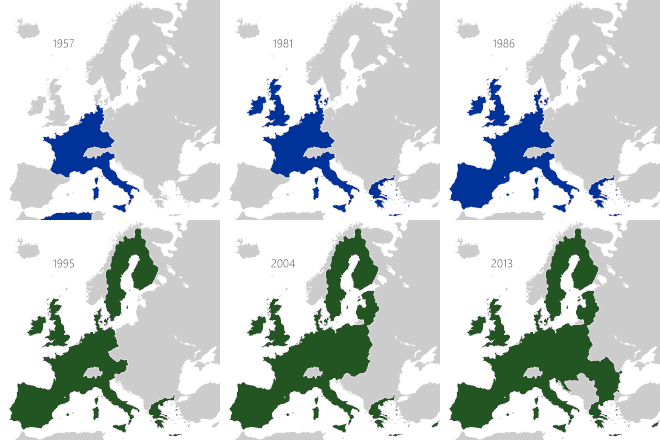
West Germany joins the European Economic Community for economic integration and growth.
Germany
Global Trade
Economic Recovery
3 min read
Updated By: History Editorial Network (HEN)
Published:
West Germany became a member of the European Economic Community (EEC), a milestone in the country's post-war recovery. The EEC, founded to promote economic cooperation in Europe, provided West Germany access to a larger market and opportunities for growth. This move also signaled West Germany's commitment to European integration and reconciliation after the devastation of World War II. By joining the EEC, West Germany aimed to boost its economy, foster trade relationships, and participate in shaping the continent's future. The integration into the EEC facilitated increased trade, investment, and economic stability, consolidating West Germany's position as a key player in the European landscape. The decision to join the EEC was a strategic one, aligning West Germany with other Western European nations and fostering a sense of unity and collaboration. The event marked a crucial step in the country's trajectory towards prosperity and unity with its neighbors, setting the stage for further European integration and cooperation in the years to come. #WestGermany #EEC #EconomicIntegration
Primary Reference
History of the European Union – 1945-59 | European Union
Explore the Life Moments of
 AI Twin