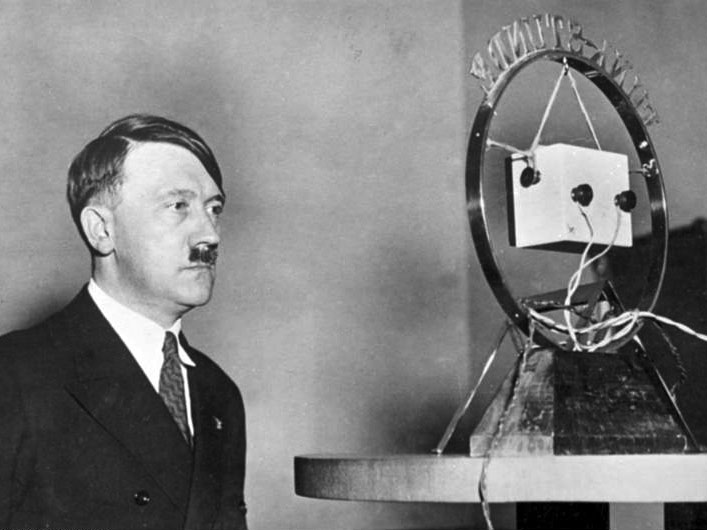
Adolf Hitler's rise to power as Chancellor and his impact on politics.
Germany

Political
3 min read
Updated By: History Editorial Network (HEN)
Published:
Updated:
Adolf Hitler rose to power in Germany, appointed as Chancellor in 1933. His ascent followed years of political turmoil and economic hardship. The Nazi Party capitalized on public discontent, promising stability and prosperity. Hitler's appointment marked a critical turning point in German history.
As Chancellor, Hitler swiftly consolidated power, dismantling democratic institutions and silencing opposition. His totalitarian regime imposed oppressive measures, targeting minorities and political dissidents. The Enabling Act granted Hitler dictatorial authority, paving the way for the establishment of a fascist dictatorship. Propaganda and censorship played integral roles in maintaining control over the populace.
The consequences of Hitler's chancellorship were devastating. The persecution of Jews intensified, culminating in the atrocities of the Holocaust. Germany's aggressive expansionist policies led to the outbreak of World War II. The country plunged into chaos and destruction, leaving a legacy of suffering and devastation.
#AdolfHitler #Chancellorship #NaziRegime #Holocaust #WorldWarII
Primary Reference
Adolf Hitler is named chancellor of Germany | January 30, 1933 ...

Explore the Life Moments of
 AI Twin