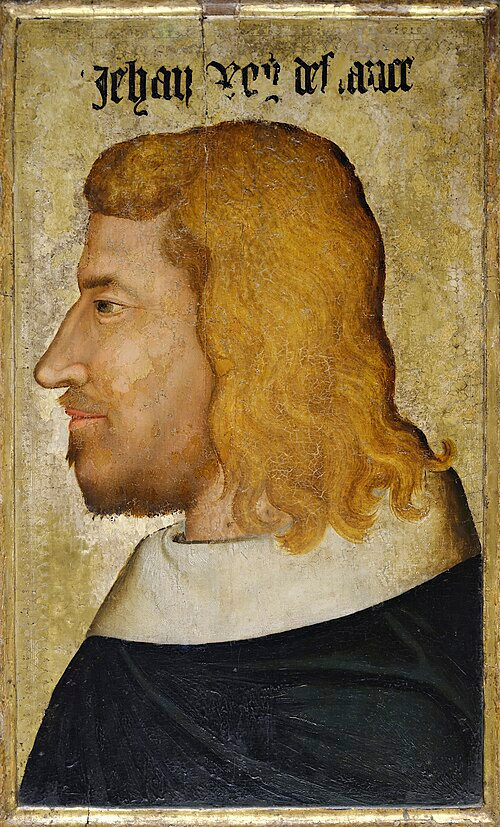
John II Captured at Battle of Poitiers
France
Historical Figures
Medieval History
Military Conflicts
3 min read
Updated By: History Editorial Network (HEN)
Published:
Updated:
John II, known as 'the Good', was a significant figure in the history of France during the Hundred Years' War. His reign began in the early 1350s, a period marked by ongoing conflict between England and France. The Battle of Poitiers, which took place in 1356, was a pivotal encounter in this war. During this battle, John II was captured by the English forces, a defeat that had profound implications for France. The capture of a king was a rare event and symbolized a major setback for the French. Following his capture, John II was compelled to sign a series of treaties that were seen as humiliating for France, further weakening the French position in the ongoing conflict. These treaties not only affected the political landscape but also had economic repercussions, as they often included concessions of territory and resources to the English. The aftermath of the battle and John's capture led to a period of instability in France, as the nation struggled to recover from the loss of its king and the terms imposed by the English. This event underscored the volatility of the period and the shifting power dynamics between the two nations.
#mooflife
#MomentOfLife
#JohnIi
#BattleOfPoitiers
#HundredYears'War
#FrenchHistory
#EnglishCapture
Primary Reference
John II of France

Explore the Life Moments of
 AI Twin