Treaty of Verdun Divides Francia
France
Historical Treaties
Medieval History
European History
3 min read
Updated By: History Editorial Network (HEN)
Published:
Updated:
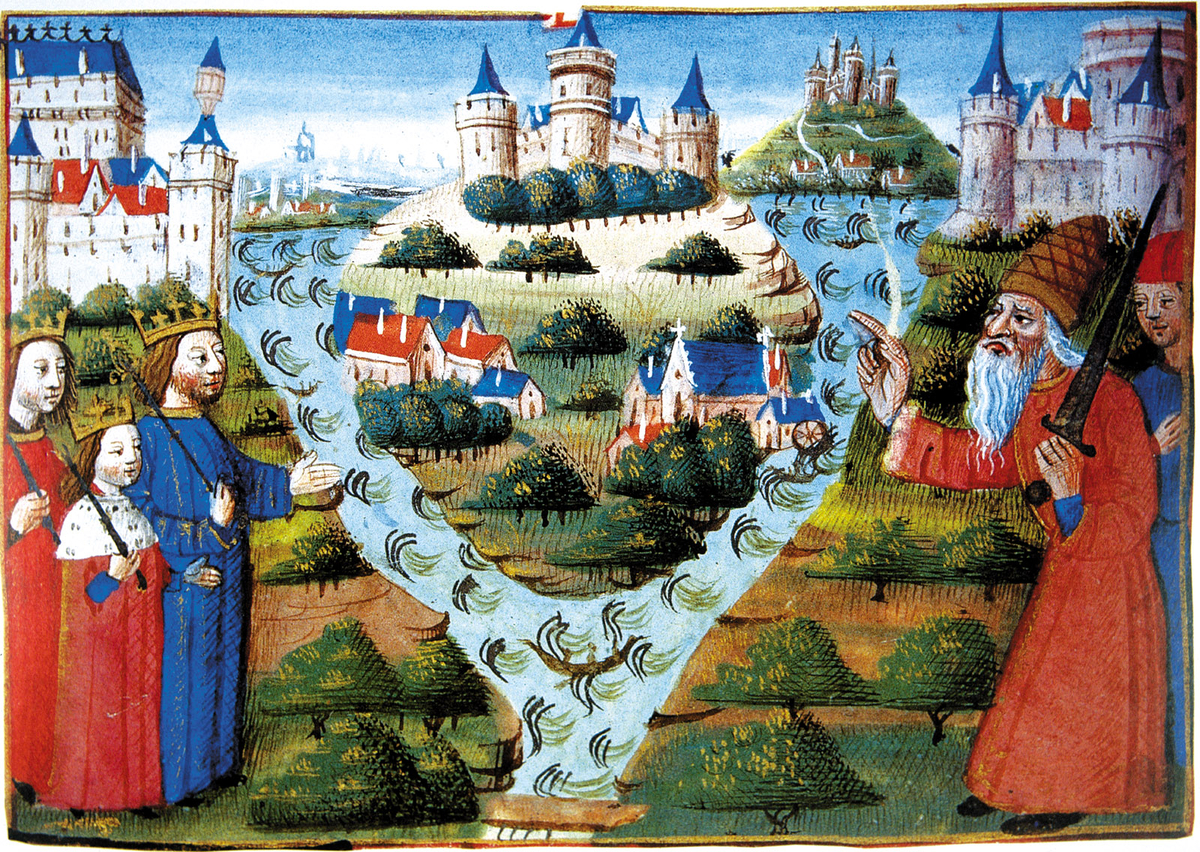
The Treaty of Verdun was a pivotal agreement that concluded a civil war following the death of Louis the Pious, the son of Charlemagne. This civil conflict arose as Louis attempted to manage the division of his kingdom among his three sons, leading to disputes over territory and power. The treaty ultimately resulted in the division of the Carolingian Empire into three distinct kingdoms: West Francia, East Francia, and Middle Francia. This division was significant as it laid the groundwork for the future political landscape of Europe. West Francia would evolve into modern France, while East Francia became the foundation for the Holy Roman Empire and later Germany. The treaty marked a critical turning point in the fragmentation of the Carolingian Empire, which had been a dominant force in Western Europe under Charlemagne's rule. The division not only reflected the internal strife within the empire but also set the stage for the development of separate national identities in the regions that emerged from this division.
#mooflife
#MomentOfLife
#TreatyOfVerdun
#Francia
#LouisThePious
#CarolingianEmpire
#EuropeanHistory
Primary Reference
Treaty of Verdun

Explore the Life Moments of
 AI Twin