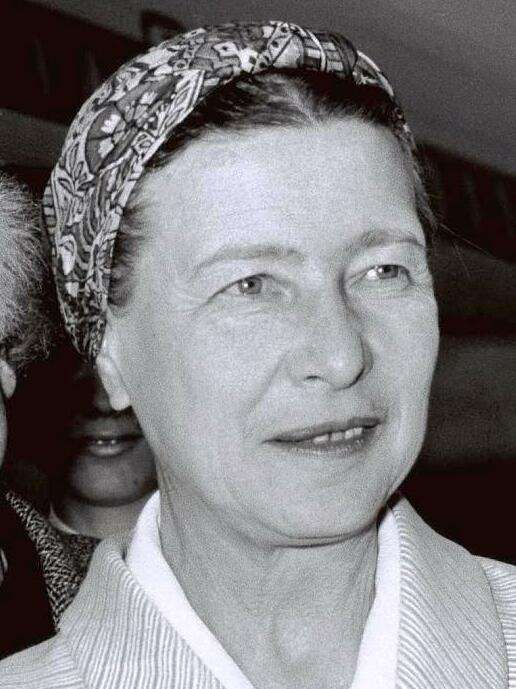
Publication of Le Deuxième Sexe
Feminism
Existentialism
Postwar Literature
4 min read
Updated By: History Editorial Network (HEN)
Published:
Updated:
Simone de Beauvoir's publication of "Le Deuxième Sexe" marked a pivotal moment in feminist philosophy and literature. In the context of the immediate postwar period, de Beauvoir challenged the prevailing societal norm that confined women to domestic roles. Her work introduced an existentialist perspective to feminism, arguing that one is not born a woman, but rather becomes one through socialization and cultural conditioning. This assertion laid the groundwork for later feminist theories that explore the construction of gender identity. _Le Deuxième Sexe_ is not merely a critique of women's roles; it is a comprehensive analysis of women's oppression and a call for liberation. De Beauvoir's philosophical approach emphasized the importance of individual freedom and the necessity for women to assert their autonomy in a patriarchal society. The book's impact extended beyond academia, influencing various feminist movements and inspiring generations of women to question their societal roles and seek equality.
The publication of _Le Deuxième Sexe_ also coincided with the rise of feminist activism in the mid-20th century. De Beauvoir's ideas resonated with the goals of the Mouvement de Libération des Femmes, a French feminist movement that sought to address issues such as reproductive rights, workplace equality, and sexual liberation. By signing one of the movement's manifestos, de Beauvoir aligned herself with the activists who were pushing for systemic change. The book's exploration of women's experiences and its critique of the male gaze provided a theoretical foundation for feminist discourse. As a result, _Le Deuxième Sexe_ has been recognized as a foundational text in feminist literature, shaping discussions around gender, identity, and power dynamics. Its enduring relevance is evident in contemporary feminist thought, where de Beauvoir's insights continue to inform debates on gender equality and women's rights.
#mooflife
#MomentOfLife
#SimoneDeBeauvoir
#LeDeuxièmeSexe
#Feminism
#Existentialism
#Women'sRights

Explore the Life Moments of
 AI Twin