Publication of The Angel in the House
Victorian Literature
Feminine Ideals
Poetry
4 min read
Updated By: History Editorial Network (HEN)
Published:
Updated:
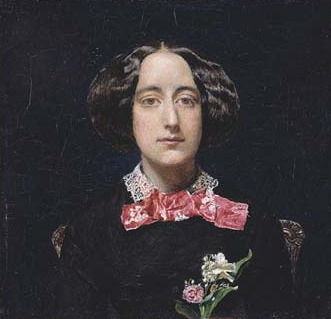
The publication of 'The Angel in the House' by Coventry Patmore marked a pivotal moment in the discourse surrounding gender roles in the Victorian era. This poem, which quickly became a bestseller, encapsulated the prevailing ideals of femininity during this period. It presented an image of women as devoted wives and mothers, emphasizing their roles within the domestic sphere. The work reinforced the notion that women should aspire to be self-sacrificing and nurturing, thus opposing the emerging women's suffrage movement. The poem's popularity contributed to the widespread acceptance of these gender norms, which dictated that men were to engage in public life while women were confined to the home. This dichotomy of roles not only shaped societal expectations but also influenced the literature and culture of the time, as many writers and thinkers either supported or critiqued these ideals.
The impact of 'The Angel in the House' extended beyond literature, as it became a cultural touchstone that defined the Victorian feminine ideal. The poem's themes resonated with many, leading to its integration into discussions about women's roles in society. It served as a counter-narrative to the growing calls for women's rights, suggesting that fulfillment could be found within the domestic sphere rather than through public engagement. This perspective was echoed in various forms of media and literature, reinforcing the belief that women's primary responsibilities lay in the home. The legacy of Patmore's work can still be seen in contemporary discussions about gender roles, as it highlights the historical context of women's rights and the ongoing struggle for equality.
#mooflife
#MomentOfLife
#VictorianLiterature
#GenderRoles
#Women'sRights
#CoventryPatmore
#FeminineIdeal

Explore the Life Moments of
 AI Twin