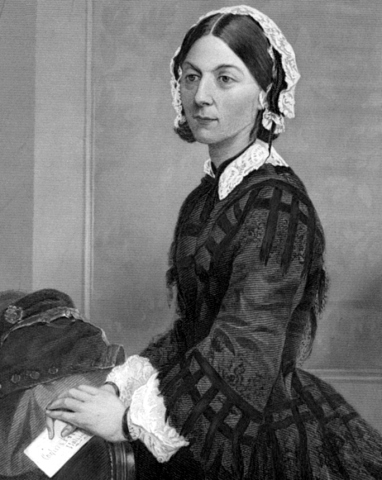
Impact of Florence Nightingale on Nursing
Health
Nursing
4 min read
Updated By: History Editorial Network (HEN)
Published:
Updated:
Florence Nightingale is recognized as a pivotal figure in the development of modern nursing. Her belief that women possessed equal potential to men, yet faced significant barriers to opportunities, drove her to pursue a career in nursing. Nightingale's work began during a time when nursing was not regarded as a respectable profession for women, and her efforts were instrumental in changing this perception. She emphasized the importance of training and education for nurses, advocating for a structured approach to nursing that included formal training programs. Nightingale's establishment of the Nightingale Training School for Nurses at St. Thomas' Hospital in London marked a significant advancement in nursing education, setting standards that would be adopted worldwide.
The impact of Nightingale's work extended beyond nursing education; she also played a crucial role in healthcare reform. Her statistical analysis of mortality rates during the Crimean War highlighted the need for improved sanitary conditions in military hospitals, leading to significant changes in hospital design and management. Nightingale's use of data to advocate for health reforms established her as a pioneer in the field of evidence-based medicine. Her legacy continues to influence nursing practices and healthcare policies today, as she is often credited with laying the groundwork for professional nursing as we know it. Nightingale's contributions have not only improved patient care but have also empowered women in the workforce, demonstrating that women can excel in fields traditionally dominated by men.
#mooflife
#MomentOfLife
#FlorenceNightingale
#NursingHistory
#HealthcareReform
#WomenInMedicine
#NursingEducation
Primary Reference
Florence Nightingale : the making of an icon

Explore the Life Moments of
 AI Twin