Twenty Years Later
5 min read
Updated By: History Editorial Network (HEN)
Published:
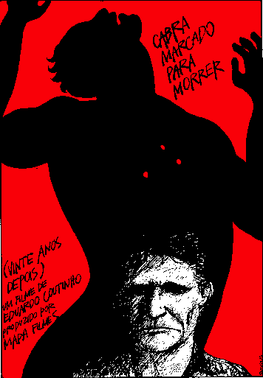
Twenty Years Later (Cabra Marcado para Morrer) is a Brazilian documentary directed by Eduardo Coutinho, originally begun in 1964 but only completed and released in 1984. The film was conceived as a dramatized account of the life and death of João Pedro Teixeira, a peasant leader of the rural workers’ movement in Pernambuco, who was assassinated in 1962. Coutinho cast Teixeira’s widow, Elizabeth Teixeira, and other real-life participants to play themselves in a semi-fictional narrative. However, just as filming began, the 1964 military coup in Brazil halted production. The footage was seized, and the project was buried for two decades.
In 1984, Coutinho returned to the material, tracking down Elizabeth and the original cast members to complete the film as a documentary. What emerged was a layered, reflexive work that not only tells the story of João Pedro’s life and death but also documents the process of remembering, repression, and survival under a dictatorship. The film shifts between black-and-white footage from 1964 and color footage from the 1980s, creating a dialogue between past and present, interrupted revolution and ongoing resistance.
The film’s style is intimate and political, with interviews, reenactments, and behind-the-scenes moments blending together. Elizabeth Teixeira’s testimony serves as the emotional backbone, revealing two decades of persecution, loss, and strength. The movie goes beyond biography and becomes a meditation on memory, censorship, and the power of cinema to preserve what authoritarian regimes try to erase.
Twenty Years Later was critically acclaimed upon release and is now considered a landmark in Latin American documentary filmmaking. It won Best Documentary at the 1985 Cinéma du Réel and received praise at international festivals for its bold structure and emotional weight. It never had commercial box office ambitions but achieved significant cultural impact in Brazil and beyond.
The film’s legacy is profound. It helped restore suppressed historical narratives, revitalized political documentary in Brazil, and established Eduardo Coutinho as one of the most important documentarians of his era. It remains essential viewing for its blend of personal truth and national trauma.

Explore the Life Moments of
 AI Twin