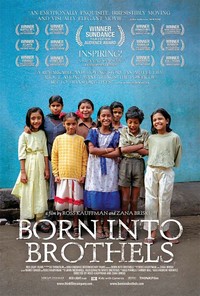
Born Into Brothels: Calcutta's Red Light Kids
5 min read
Updated By: History Editorial Network (HEN)
Published:
Born Into Brothels: Calcutta’s Red Light Kids is a 2004 documentary directed by Zana Briski and Ross Kauffman, focusing on the children of sex workers living in the red-light district of Sonagachi, Kolkata, India. Rather than taking a purely observational or journalistic approach, the film becomes participatory—Briski, a photojournalist, forms close bonds with the children and begins teaching them photography, giving them cameras to document their own lives. What emerges is a layered story of poverty, resilience, and the potential for art to offer temporary escape from systemic oppression.
The children’s photographs—raw, vibrant, and often haunting—reveal both the harshness of their environment and their instinctive creativity. As Briski helps some of them apply to boarding schools, the film exposes the countless barriers they face: bureaucratic red tape, family resistance, social stigma, and the cyclical trap of generational sex work. The kids are smart, funny, and full of personality, which makes their vulnerability even more heartbreaking.
Visually, the documentary alternates between Briski’s footage of the neighborhood and the children’s own photographs, many of which are striking in their composition and honesty. The film avoids romanticizing or pitying its subjects, but it does carry an emotional urgency—one born from Briski’s growing investment in their futures. Her presence is felt throughout, not as a detached observer but as a mentor and advocate.
Born Into Brothels premiered at the Sundance Film Festival, where it won the Audience Award, and later won the Academy Award for Best Documentary Feature in 2005. It was widely acclaimed for its emotional impact and innovative approach, though it also sparked controversy—some critics and activists questioned whether the film exploited its subjects or offered real, lasting help.
Its legacy remains complex but significant. It led to the founding of Kids with Cameras, a nonprofit aimed at supporting children through photography. More broadly, Born Into Brothels is remembered as a powerful, if ethically debated, example of participatory documentary filmmaking that tries to do more than observe—it tries to intervene.

Explore the Life Moments of
 AI Twin