Historical significance of Church of San Francisco in Santa Fe de Bogotá
Colombia
Cultural Heritage
Religious
3 min read
Updated By: History Editorial Network (HEN)
Published:
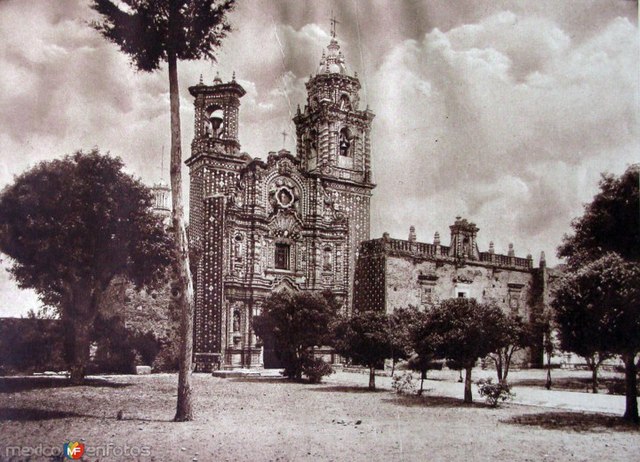
In 1557, the construction of the Church of San Francisco in Santa Fe de Bogotá commenced. This iconic colonial architectural landmark was a significant addition to the cityscape. The Franciscan Order oversaw the building of the church, which became a symbol of religious and cultural importance in Bogotá.
The Church of San Francisco was designed in a traditional Spanish colonial style, featuring adobe walls and a clay-tile roof. The architectural details showcased intricate craftsmanship, with ornate carvings and arches adorning the interior and exterior of the church. The construction process employed indigenous laborers and craftsmen, showcasing a blend of European and indigenous influences in the architectural design.
Upon completion, the Church of San Francisco became a hub of religious activity in the city. It served as a place of worship, community gatherings, and religious ceremonies. The church also played a significant role in the spread of Christianity and the conversion of indigenous populations in the region.
Today, the Church of San Francisco stands as a testament to Colombia's colonial history and architectural heritage. Visitors from around the world come to admire its beauty and learn about its cultural significance. The church remains an important landmark in Bogotá, attracting tourists and historians alike.
#ChurchOfSanFrancisco #SantaFeDeBogotá #ColonialArchitecture #CulturalHeritage #ReligiousHistory

Explore the Life Moments of
 AI Twin