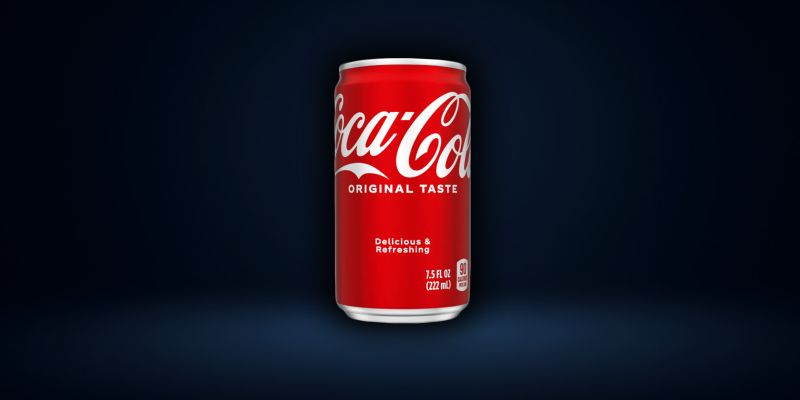
Coca-Cola Expanded Single-Serve Mini Can Strategy Nationwide
United States
Business
6 min read
Updated By: History Editorial Network (HEN)
Published:
Updated:
On 01/01/2026, The Coca-Cola Company officially expanded its 7.5-ounce mini can format into nationwide single-serve distribution channels across the United States. The initiative moved the compact beverage format beyond traditional grocery store multipacks and into convenience store cold vaults, gas stations, and grab-and-go retail locations as part of a broader strategy focused on affordability, portion control, and premium revenue growth.
The single mini cans launched with a suggested retail price of approximately $1.29, positioning the products as an under-$2 beverage option during a period of ongoing consumer price sensitivity and inflation-related spending pressures. Coca-Cola executives and retail partners described the format as a way to attract shoppers seeking lower-cost refreshment options while also appealing to consumers looking for smaller portion sizes and reduced calorie intake.
The rollout included several of Coca-Cola’s major brands and flavor lines, including Coca-Cola Original Taste, Coca-Cola Zero Sugar, Coca-Cola Cherry, Sprite, and Fanta Orange. The company also used the mini-can platform as a testing ground for limited-time and seasonal products such as Sprite Winter Spiced Cranberry and Coca-Cola Cherry Float, allowing the company to evaluate consumer response with lower operational risk and smaller production commitments.
Each 7.5-ounce can contained approximately 90 calories, substantially less than the roughly 240 calories found in a standard 20-ounce Coca-Cola bottle. The smaller format aligned with broader beverage industry trends emphasizing portion moderation, convenience, and consumer flexibility rather than solely promoting large serving sizes.
Coca-Cola’s strategy also reflected changing convenience store purchasing patterns. Industry retail data showed that mini-can buyers frequently purchased snacks or other complementary items alongside beverages, increasing cross-category sales opportunities for retailers. The company additionally viewed the format as a way to strengthen profitability by generating higher revenue per ounce compared with larger package sizes, helping offset slower overall beverage volume growth in certain markets.
The nationwide expansion demonstrated how major beverage companies were adapting packaging strategies to shifting consumer spending habits, health awareness, and evolving convenience retail environments.
Why This Moment Matters
The mini-can expansion illustrated how beverage companies increasingly used packaging size innovation as both a pricing and consumer behavior strategy. It also reflected broader industry efforts to balance affordability, health-conscious consumption, and profitability during a period of changing retail and economic conditions.
#CocaCola
##MiniCan
#BeverageIndustry
#ConvenienceRetail
#SoftDrinks
#ConsumerTrends
#PackagingInnovation
Primary Reference
Coca-Cola makes a surprising change to its products

Explore the Life Moments of
 AI Twin