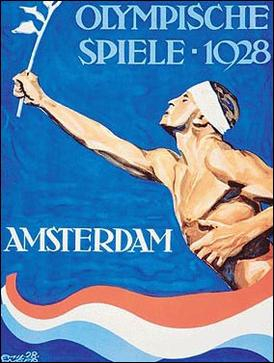
Coca-Cola Sponsors Olympic Games
United States
Sports
Business
6 min read
Updated By: History Editorial Network (HEN)
Published:
Updated:
The 1928 Summer Olympics in Amsterdam marked the beginning of the long-running partnership between The Coca-Cola Company and the International Olympic Committee (IOC), creating what later became the longest continuous corporate sponsorship relationship in modern Olympic history. Coca-Cola’s involvement at the Games represented one of the earliest examples of large-scale international sports marketing by a global consumer brand.
During the 1928 Olympic Games, Coca-Cola supplied beverages to athletes, officials, and spectators in Amsterdam. Historical company records note that Coca-Cola transported thousands of cases of its soft drink to the Netherlands aboard a ship carrying the American Olympic team. At the time, the company was expanding internationally and viewed the Olympics as an important opportunity to introduce Coca-Cola to broader global audiences beyond the United States.
The Amsterdam Games themselves were historically significant for several reasons. They were the first Olympics to feature the Olympic flame burning throughout the event and also marked the first time women were allowed to compete in track and field events. Against this backdrop of expanding international attention, Coca-Cola’s presence helped associate the brand with athletic competition, global unity, and international culture.
Although the 1928 sponsorship was relatively modest compared to modern Olympic marketing agreements, it established the foundation for a relationship that continued across nearly every Summer and Winter Olympic Games in the decades that followed. Coca-Cola later expanded its Olympic involvement through advertising campaigns, athlete support initiatives, hospitality programs, torch relay sponsorships, and worldwide promotional partnerships tied to Olympic events.
The partnership also reflected broader developments in twentieth century sports commercialization. As international sporting competitions attracted larger audiences through newspapers, radio broadcasts, and eventually television, corporations increasingly recognized the marketing value of associating their brands with global athletic events. Coca-Cola became one of the earliest and most enduring examples of this strategy.
Over time, Coca-Cola’s Olympic association helped strengthen the company’s worldwide visibility and reinforced its image as an international consumer brand connected to celebration, youth culture, and global community. The partnership endured through major historical events including World War II, the Cold War, and the expansion of global television broadcasting, making it one of the most recognizable sponsorship relationships in sports history.
Historical Significance
Coca-Cola’s participation in the 1928 Amsterdam Olympics helped pioneer the modern model of long-term global sports sponsorship. The partnership demonstrated how international sporting events could serve as powerful platforms for worldwide brand recognition and corporate identity.
#mooflife
#MomentOfLife
#Coca-cola
#OlympicGames
#Sponsorship
#SportsMarketing
#BrandVisibility
Primary Reference
Coca-Cola & Mengniu

Explore the Life Moments of
 AI Twin