Coca-Cola's Non-Alcoholic Beverage Development
Atlanta, Georgia, United States
Beverages
Marketing
5 min read
Updated By: History Editorial Network (HEN)
Published:
Updated:
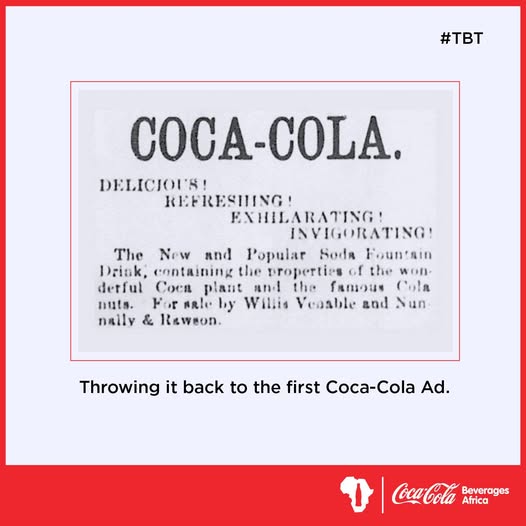
On 29/05/1886, Coca-Cola published its first known advertisement in The Atlanta Journal, only weeks after the beverage had first been introduced in Atlanta, Georgia. The advertisement promoted Coca-Cola as a refreshing new fountain drink and marked one of the earliest public marketing efforts for what would later become one of the world’s most recognized consumer brands.
The beverage itself had been created earlier that year by pharmacist Dr. John Stith Pemberton. Historical records from The Coca-Cola Company
state that Pemberton developed the original syrup formula on 29/03/1886 before the first servings were sold at Jacobs’ Pharmacy on 08/05/1886. Coca-Cola was initially marketed as a patent medicine and tonic beverage during a period when soda fountain drinks were commonly associated with health and wellness claims.
The first advertisement in The Atlanta Journal described Coca-Cola as “Delicious and Refreshing,” language that would become closely tied to the brand’s identity over time. Early promotions highlighted the beverage’s refreshing qualities and emphasized its appeal as a soda fountain drink mixed with carbonated water. The marketing approach reflected the competitive environment of late nineteenth-century pharmacy beverages, where branding and newspaper advertising were becoming increasingly important for attracting customers.
Coca-Cola’s development also coincided with changing attitudes toward alcohol in the United States during the late nineteenth century. Pemberton had previously experimented with alcoholic tonic beverages, including “Pemberton’s French Wine Coca,” before adapting his formula into a non-alcoholic soft drink. The shift aligned with growing temperance movement pressures and local restrictions on alcohol sales in Atlanta at the time.
The publication of the advertisement marked an early milestone in Coca-Cola’s long history of marketing and brand development. Advertising later became one of the company’s defining strengths, helping transform Coca-Cola from a local pharmacy drink into a globally recognized product associated with mass media, sponsorships, and consumer culture.
Historical Significance
Coca-Cola’s first newspaper advertisement demonstrated the importance of branding and public promotion in the early soft drink industry. The ad also marked the beginning of a marketing tradition that would later make Coca-Cola one of the most heavily advertised and internationally recognized brands in history.
#mooflife
#MomentOfLife
#Coca-cola
#Non-alcoholicBeverages
#TemperanceMovement
#SoftDrinkHistory
#BeverageMarketing
Primary Reference
The Origin of Coca‑Cola

Explore the Life Moments of
 AI Twin