Mao Zedong's Economic Transformation Efforts
China

Political
Economic Downturn
3 min read
Updated By: History Editorial Network (HEN)
Published:
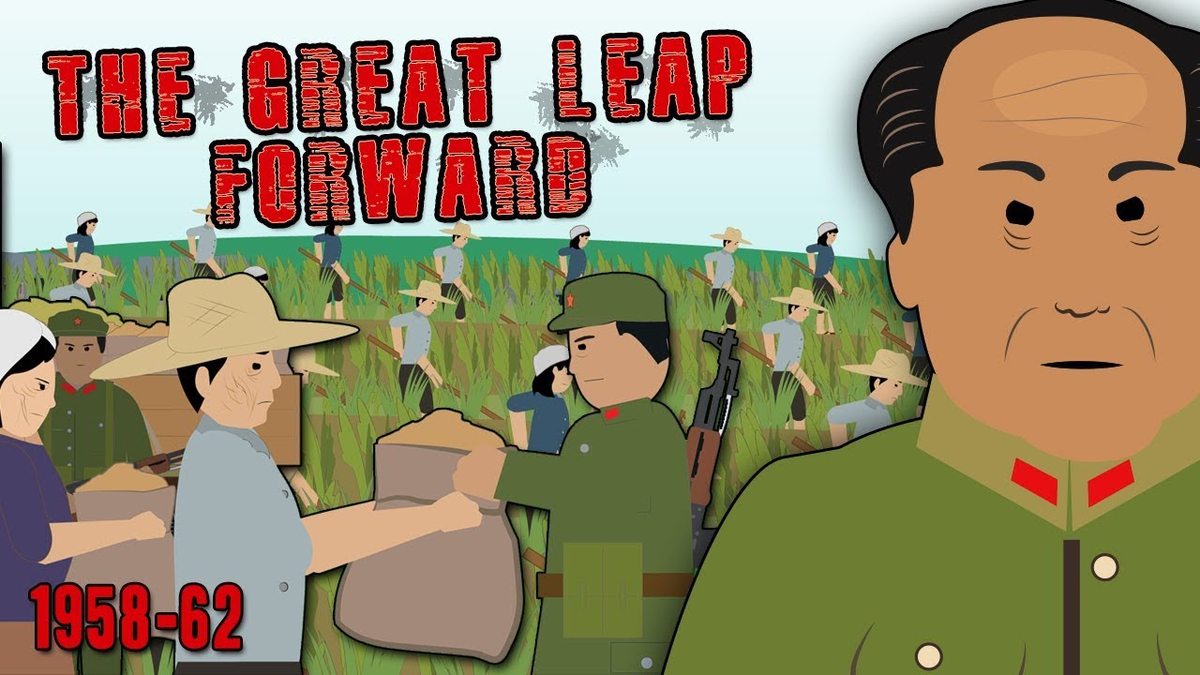
Mao Zedong initiated the Great Leap Forward campaign in a bid to revolutionize China's economy. The primary objective was to rapidly transition the country from an agrarian society to an industrial powerhouse. Citizens were mobilized into communes to boost agricultural and industrial output. Backed by a zeal for collectivization, the campaign emphasized backyard furnaces for mass steel production and widespread agricultural reforms.
The impact was tremendous, with significant strides made in industrialization and infrastructure development. However, the campaign led to disastrous consequences as exaggerated statistics and poor planning resulted in widespread famine and economic downturns. Millions lost their lives due to starvation and the economy suffered a severe blow. The failure of the Great Leap Forward not only brought about immense human suffering but also shattered the credibility of the Chinese Communist Party.
The Great Leap Forward serves as a cautionary tale about the dangers of rapid, unchecked policy implementation and the importance of pragmatic decision-making in economic planning. Despite its catastrophic outcomes, the campaign remains a pivotal moment in China's history, highlighting the complexities of balancing ambition with practicality in national development efforts. #GreatLeapForward #MaoZedong #ChinaEconomy #Industrialization #Collectivization.

Explore the Life Moments of
 AI Twin