The First Sino-Japanese War
China

Political
3 min read
Updated By: History Editorial Network (HEN)
Published:
Updated:
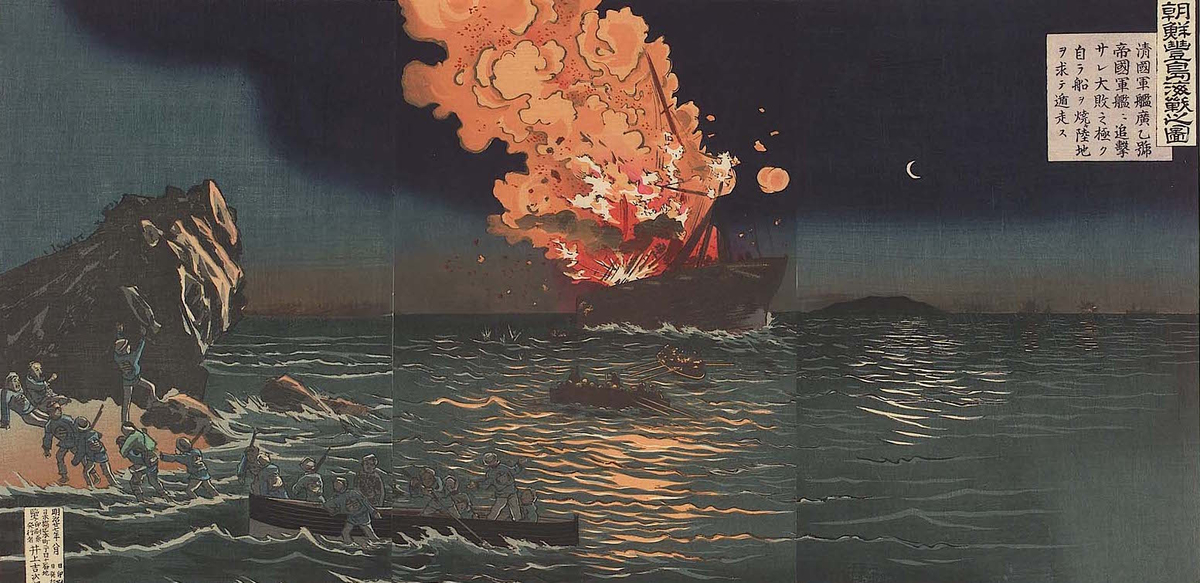
The First Sino-Japanese War stemmed from the rivalry between China and Japan over control of Korea. The conflict escalated as both nations vied for influence in the Korean peninsula, leading to military confrontations. Japan swiftly gained the upper hand with modernized armed forces, securing decisive victories over China both on land and sea. This shift in power dynamics culminated in the Treaty of Shimonoseki.
As a consequence of Japan's triumph, China was forced to cede Taiwan, the Pescadores Islands, and the Liaodong Peninsula to Japan. Additionally, Korea gained independence from Chinese suzerainty and became a protectorate of Japan. The Treaty of Shimonoseki marked a significant turning point in East Asian geopolitics, heralding Japan's emergence as a dominant regional power and China's weakening influence.
The repercussions of the First Sino-Japanese War reverberated beyond territorial gains, impacting the balance of power in East Asia and setting the stage for future conflicts. The conflict underscored the importance of modernization and highlighted Japan's rapid transformation into a formidable military force. Furthermore, it demonstrated the vulnerability of traditional Chinese institutions in the face of foreign aggression, paving the way for subsequent challenges to China's sovereignty.
#FirstSinoJapaneseWar #TreatyofShimonoseki #JapanvsChina #EastAsianGeopolitics
Explore the Life Moments of
 AI Twin