Rise of Angkor Thom
Cambodia

Cultural Heritage
3 min read
Updated By: History Editorial Network (HEN)
Published:
During the 12th century, King Jayavarman VII of the Khmer Empire established the capital city of Angkor Thom. This pivotal moment marked the peak of the empire's power and influence in the region. The city was strategically located, surrounded by massive walls and a moat, symbolizing the might of the Khmer rule.
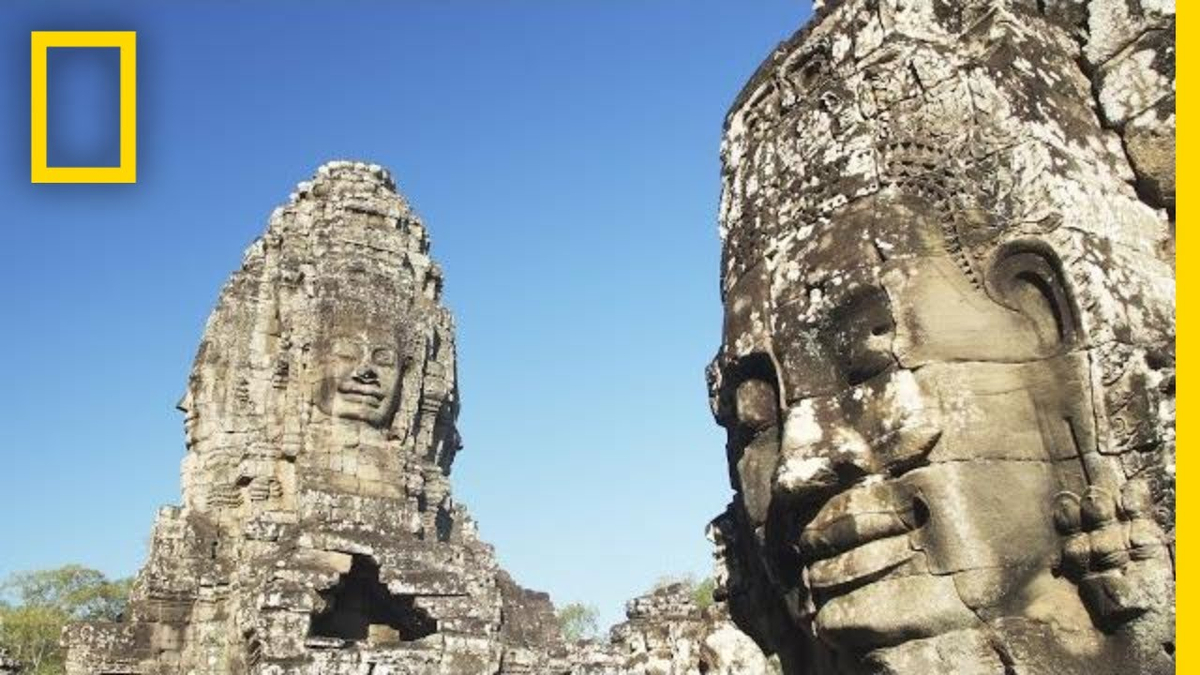
The establishment of Angkor Thom had a profound impact on the region's architecture, art, and culture. The city was adorned with intricate temples, including the famous Bayon Temple with its iconic stone faces representing the king himself. These structures showcased the empire's wealth, sophistication, and dedication to religious practices.
Angkor Thom became a center of governance, trade, and religious activities, attracting scholars, craftsmen, and traders from far and wide. The city's urban planning, including roads, reservoirs, and administrative buildings, reflected the Khmer's advanced engineering and organizational skills.
The legacy of Angkor Thom endures through the centuries, serving as a symbol of Cambodia's rich history and cultural heritage. The ruins of the city continue to attract tourists and researchers, offering insights into the grandeur and complexity of the Khmer Empire.
#AngkorThom #KhmerEmpire #CambodianHistory #CulturalHeritage

Explore the Life Moments of
 AI Twin