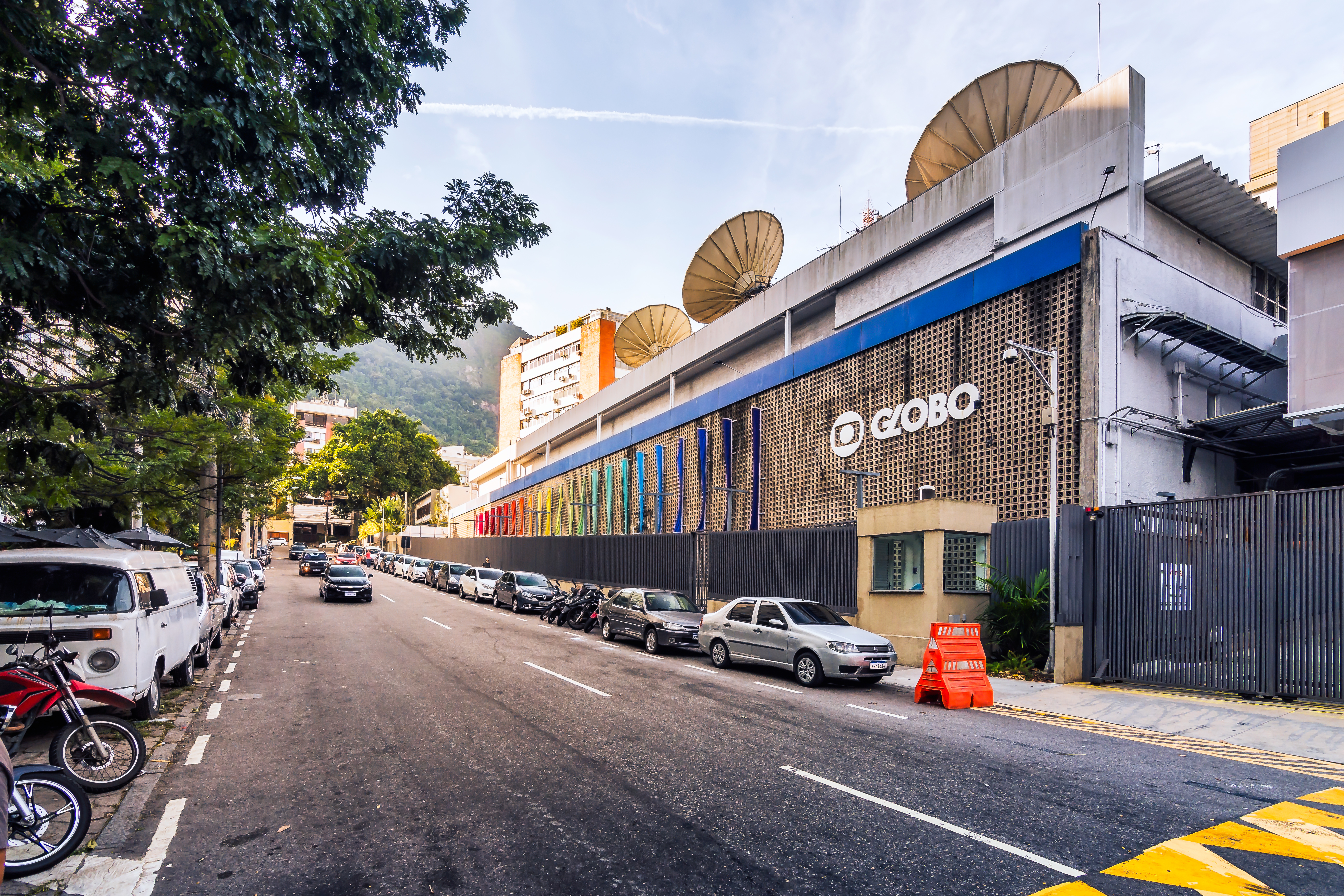
Rede Globo, the 3rd largest TV broadcaster of the world, is founded, in Rio de Janeiro, Brazil.
Brazil
communication
Business
8 min read
Updated By: History Editorial Network (HEN)
Published:
On April 26, 1965, Rede Globo, one of the world's largest television networks, was founded in Rio de Janeiro, Brazil. Over the decades, Rede Globo has grown to become not only the third-largest TV broadcaster globally but also a major cultural and social influence in Brazil.
Founding and Early Years
Rede Globo was founded by media mogul Roberto Marinho, who had already established himself as a significant figure in Brazilian media through his newspaper, O Globo. The launch of Rede Globo marked Marinho's entry into television broadcasting, a medium that was rapidly gaining popularity worldwide. The first broadcast was a modest affair, but it set the stage for what would become a media giant.
Initially, Rede Globo faced stiff competition from other established networks, such as TV Tupi and TV Excelsior. However, Marinho's vision, combined with strategic partnerships and a focus on high-quality programming, helped Rede Globo quickly gain a foothold in the market.
Programming and Growth
One of the key factors in Rede Globo's success was its innovative programming. The network invested heavily in a wide range of content, including news, sports, soap operas (telenovelas), and entertainment shows. Telenovelas, in particular, became a hallmark of Rede Globo, drawing massive viewership and becoming a cultural phenomenon in Brazil and beyond.
Rede Globo's news division, Jornal Nacional, launched in 1969, became a cornerstone of Brazilian news broadcasting. Its comprehensive and professional coverage of national and international events earned it a reputation for reliability and credibility.
Technological Advancements
Rede Globo was also at the forefront of adopting new technologies. The network invested in state-of-the-art equipment and infrastructure, ensuring high-quality broadcasts. In 1972, Rede Globo made history by airing the first color television broadcast in Brazil, further cementing its position as a leader in the industry.
Influence and Impact
The influence of Rede Globo extends far beyond entertainment. The network has played a significant role in shaping public opinion and culture in Brazil. Its telenovelas often address social issues, such as racism, inequality, and corruption, sparking national conversations and raising awareness.
However, Rede Globo's influence has not been without controversy. Critics have accused the network of having a political bias, particularly during Brazil's military dictatorship from 1964 to 1985, when it was alleged that Rede Globo's coverage was sympathetic to the regime. Despite these criticisms, Rede Globo has maintained a dominant position in the Brazilian media landscape.
International Reach
While Rede Globo's primary audience is in Brazil, the network has also expanded its reach internationally. Its telenovelas and other programs are broadcast in numerous countries, and Globo Internacional caters specifically to Brazilian expatriates around the world. This international presence has helped spread Brazilian culture and entertainment globally.
Modern Era and Digital Transition
In recent years, Rede Globo has continued to innovate and adapt to changing media consumption habits. The network has embraced digital platforms, launching Globo Play, a streaming service that offers on-demand content, including live TV, telenovelas, series, movies, and exclusive online content. This move has allowed Rede Globo to stay relevant in an era where traditional television viewership is declining.
#RedeGlobo #BrazilianTV #TelevisionHistory #BrazilianCulture #Telenovelas #Broadcasting #MediaInfluence #1965 #RioDeJaneiro #MomentsOfLife #MoofLife_Moment #MoofLife

Explore the Life Moments of
 AI Twin