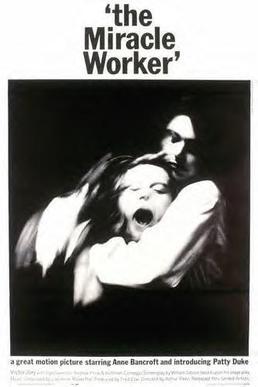
The Miracle Worker
Entertainment
4 min read
Updated By: History Editorial Network (HEN)
Published:
Updated:
The Miracle Worker (1962) is a powerful biographical drama directed by Arthur Penn, dramatizing the early relationship between Helen Keller, a deaf-blind child, and her determined teacher, Anne Sullivan. Based on Keller’s autobiography The Story of My Life and adapted from William Gibson’s play, the film stars Patty Duke as Helen and Anne Bancroft as Anne Sullivan in two legendary, physically intense performances. The story centers on Sullivan’s relentless efforts to break through Helen’s isolation and teach her to communicate, culminating in the iconic moment at the water pump where Helen first connects the concept of "water" with the physical sensation. Their struggle is not just educational but deeply emotional, rooted in discipline, patience, and the belief in human potential.
The film was both a critical and commercial success, praised for its raw realism, minimalistic setting, and emotionally charged performances. It earned five Academy Award nominations, including Best Director and Best Adapted Screenplay, and won two: Best Actress for Bancroft and Best Supporting Actress for Duke, who at age 16 became the youngest competitive Oscar winner at the time. The Miracle Worker was also awarded at the Golden Globes and BAFTAs, solidifying its reputation as a deeply moving portrayal of education, disability, and human resilience. Its legacy endures as one of the most impactful films about overcoming communication barriers, and it remains a staple in discussions of American cinema, disability representation, and performance excellence.
Primary Reference
The Miracle Worker (1962 film)

Explore the Life Moments of
 AI Twin