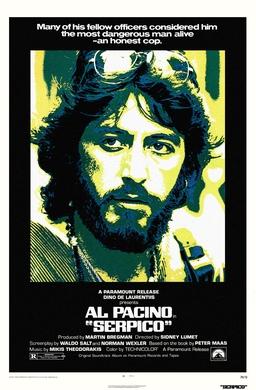
Serpico
Entertainment
4 min read
Updated By: History Editorial Network (HEN)
Published:
Updated:
Serpico (1973) is a gritty, gripping biographical crime drama directed by Sidney Lumet, based on the real-life story of NYPD officer Frank Serpico, whose courageous stand against corruption within the New York Police Department made him a symbol of integrity and institutional defiance. Al Pacino stars in one of his most iconic roles, portraying Serpico as an idealistic and eccentric cop who refuses to take bribes, gradually finding himself isolated, threatened, and betrayed by the very system he swore to uphold. As he climbs the ranks, his refusal to play along with the rampant corruption around him puts him at increasing personal risk—culminating in a near-fatal shooting under suspicious circumstances.
The film unfolds as a character-driven procedural, blending tense street-level realism with emotional intensity. Lumet’s direction emphasizes authenticity, while Pacino’s performance captures Serpico’s transformation from enthusiastic rookie to disillusioned outsider—a man torn between duty and survival, battling a toxic culture that punishes honesty. The film’s unglamorous look at police work and internal rot helped redefine the crime genre in the post-Watergate era.
Serpico was both a critical and commercial success, grossing over $29 million on a modest budget and earning widespread acclaim. Pacino won the Golden Globe for Best Actor and was nominated for the Academy Award. The film also received an Oscar nomination for Best Adapted Screenplay. Its legacy is substantial—it helped cement Pacino as a major star, strengthened Lumet’s reputation as a master of urban moral drama, and continues to be referenced in discussions about whistleblowers, police reform, and moral courage. Serpico remains a landmark of 1970s cinema: raw, uncompromising, and fiercely relevant.
Primary Reference
Al Pacino Stars as 'Serpico' at the Gateway

Explore the Life Moments of
 AI Twin