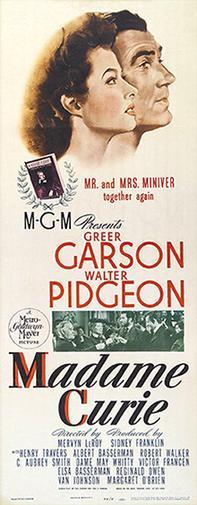
Madame Curie
Entertainment
4 min read
Updated By: History Editorial Network (HEN)
Published:
Updated:
Madame Curie (1943) is a dignified and emotionally resonant biographical drama directed by Mervyn LeRoy, portraying the life and groundbreaking scientific achievements of Marie Curie, the first woman to win a Nobel Prize and the only person to win in two different scientific fields—Physics and Chemistry. Greer Garson stars as Curie, bringing poise, intelligence, and quiet strength to the role, while Walter Pidgeon plays her supportive husband and research partner, Pierre Curie. The film follows Marie’s journey from a struggling Polish student in Paris to her pioneering work in radioactivity, her romance with Pierre, their discovery of radium, and her grief-driven determination after his untimely death.
Produced during World War II, Madame Curie was intended as both an inspirational story and a tribute to scientific perseverance. It was a critical and box office success, earning $4.6 million domestically and receiving seven Academy Award nominations, including Best Picture, Best Actress for Garson, Best Actor for Pidgeon, and Best Cinematography. While it did not win any Oscars, the film was praised for its respectful tone, restrained performances, and romanticized yet emotionally sincere portrayal of intellectual achievement and personal loss. Though later criticized for softening the harsher realities of Curie’s scientific struggles and downplaying the systemic sexism she faced, Madame Curie remains a classic of the golden age of Hollywood biopics. Its legacy endures as a rare early tribute to a woman in science, inspiring generations with its message of curiosity, love, and resilience in the pursuit of knowledge.
Primary Reference
Harrison's Reports

Explore the Life Moments of
 AI Twin