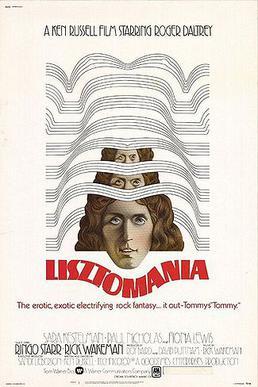
Lisztomania
Entertainment
4 min read
Updated By: History Editorial Network (HEN)
Published:
Updated:
Lisztomania (1975) is a wild, surreal, and genre-defying biographical fantasy directed by Ken Russell, offering a highly stylized and heavily fictionalized portrayal of the 19th-century Hungarian composer and piano virtuoso Franz Liszt. Roger Daltrey, lead singer of The Who, stars as Liszt in a performance that blends flamboyant rock-star energy with classical excess, reimagining Liszt not as a stuffy genius but as the original celebrity heartthrob, complete with screaming fans, sexual frenzy, and supernatural showdowns. The film loosely follows Liszt’s rise to fame, his relationships with Countess Marie d'Agoult and Princess Carolyne, and his rivalry with Richard Wagner—played as a fascist vampire figure—set against a backdrop of psychedelic visuals, musical mashups, and pop-culture absurdity.
Lisztomania was a critical and commercial oddity upon release. It divided audiences and critics alike, with some praising its audacity and visual invention, while others dismissed it as incoherent and self-indulgent. The film grossed modestly and was overshadowed by Russell’s previous and more successful musical biopic Tommy (also starring Daltrey). Rick Wakeman of the band Yes composed the soundtrack, fusing classical themes with progressive rock, which added to the film’s chaotic energy and cult appeal. Although it received no major awards, Lisztomania has since gained cult status for its camp, its boldness, and its commentary on celebrity culture, fame, and artistic ego. Today, it's remembered less as a serious biopic and more as a provocative visual opera—an anarchic, erotic fever dream that captures the myth of Liszt more than the man himself.
Primary Reference
Kieler Beiträge zur Filmmusikforschung

Explore the Life Moments of
 AI Twin