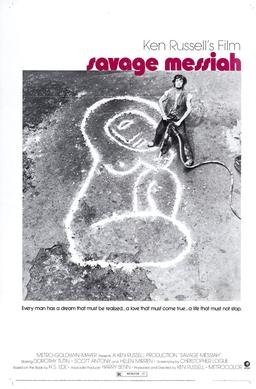
Savage Messiah
Entertainment
4 min read
Updated By: History Editorial Network (HEN)
Published:
Savage Messiah (1972) is a bold and visually kinetic biographical drama directed by Ken Russell, chronicling the passionate and tumultuous life of French sculptor Henri Gaudier-Brzeska. Played with explosive energy by Scott Antony, Gaudier is depicted as a fiercely driven, working-class artist whose raw genius and anti-establishment fury clashed with the genteel art world of early 20th-century England. The film focuses heavily on his intense platonic relationship with the older Polish writer Sophie Brzeska, played by Dorothy Tutin, whose emotional dependency and repression create a volatile but deeply affectionate bond.
Unlike Russell’s more operatic or surreal biopics, Savage Messiah grounds itself in realism and physicality. The film celebrates the urgency of artistic creation, showing Gaudier attacking his sculptures with near-violent force, rejecting bourgeois comfort in favor of raw instinct and revolutionary zeal. It’s a tribute to art as rebellion, laced with political anger and youthful chaos, underscored by Russell’s restless camera work and stylized editing.
Though critically praised—especially for its performances and Derek Jarman’s striking production design—the film struggled at the box office and remains one of Russell’s more underappreciated works. It received acclaim for rejecting romanticized portrayals of the “tortured artist” and instead delivering a muscular, confrontational depiction of creativity fueled by class rage and existential urgency.
Savage Messiah stands as a fiercely original biopic, not just about a sculptor’s life, but about the violent hunger to create and the emotional wreckage left in its wake. Its legacy endures as a defiant love letter to uncompromising art and the short, intense life of a forgotten modernist.
Primary Reference
Savage Messiah (1972)

Explore the Life Moments of
 AI Twin