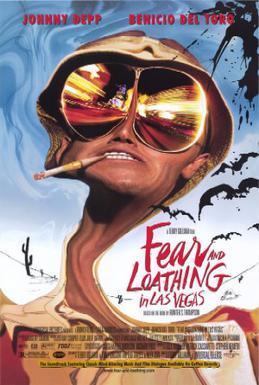
Fear and Loathing in Las Vegas
Entertainment
4 min read
Updated By: History Editorial Network (HEN)
Published:
Updated:
Fear and Loathing in Las Vegas (1998) is a hallucinogenic, anarchic, and wildly stylized biographical black comedy directed by Terry Gilliam, adapted from the semi-autobiographical novel by Hunter S. Thompson. Johnny Depp stars as Raoul Duke, a fictionalized version of Thompson himself, while Benicio Del Toro plays Dr. Gonzo, his equally unhinged attorney. Set in the early 1970s, the film follows their drug-fueled descent into madness as they travel through Las Vegas under the guise of journalism, searching not for truth or story, but for escape—from themselves, from the American Dream, and from the soul-rotting aftermath of the 1960s counterculture.
Stylistically chaotic and visually overwhelming, the film captures the manic energy and psychological disintegration induced by massive quantities of psychedelics, ether, and mescaline. It’s packed with grotesque imagery, swirling hallucinations, paranoid breakdowns, and biting voice-over monologues that echo Thompson’s nihilistic wit and political despair. Rather than offering a coherent narrative, the film functions as a cinematic acid trip—blurring reality, satire, and insanity into a spiraling, nihilistic portrait of post-hippie America.
Upon release, Fear and Loathing in Las Vegas divided critics and audiences. It flopped at the box office, grossing under $14 million on an estimated $18 million budget, and was initially dismissed as incoherent or indulgent. However, over time, it developed a massive cult following and is now widely regarded as one of the most faithful cinematic adaptations of Thompson’s voice and tone. Johnny Depp’s performance—manic, immersive, and completely committed—is now iconic, and the film’s hypnotic visuals and anti-establishment energy have cemented it as a counterculture classic. Its legacy lies in its unapologetic madness, brutal honesty, and refusal to compromise—just like the man it was based on.

Explore the Life Moments of
 AI Twin