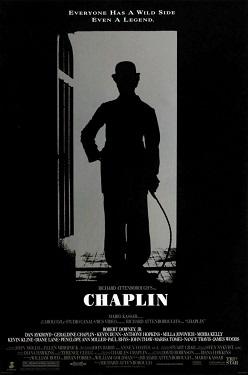
Chaplin
Entertainment
4 min read
Updated By: History Editorial Network (HEN)
Published:
Updated:
Chaplin (1992) is an ambitious and emotionally nuanced biographical drama directed by Richard Attenborough, chronicling the life of cinema pioneer Charlie Chaplin—from his impoverished childhood in Victorian London to his rise as one of the most iconic figures in film history. Robert Downey Jr. delivers a transformative, Oscar-nominated performance as Chaplin, capturing not only the comedic brilliance of the Tramp character but also the complex, often troubled man behind the mustache and bowler hat. The film explores his meteoric rise in silent cinema, turbulent personal life, multiple marriages, political controversies, and eventual exile from the United States during the McCarthy era.
Structured as a retrospective, the story is told through flashbacks as an aging Chaplin reflects on his life during interviews for his autobiography. It highlights key moments: his early stage work, breakthrough in silent films, struggles with studios, clashes with the press, and his deep sense of isolation despite global fame. The film also examines the toll of celebrity, censorship, and Chaplin’s defiance in the face of political persecution.
Though Chaplin received mixed critical reviews for its broad scope and narrative pacing, it was widely praised for its production design, period detail, and Downey Jr.’s uncanny performance, which was considered a major career milestone. The film earned three Academy Award nominations—for Best Actor, Best Original Score, and Best Art Direction—and brought renewed attention to Chaplin’s legacy for a modern audience.
Despite its flaws, Chaplin remains a heartfelt tribute to a cinematic legend. Its legacy is grounded in its respectful portrayal of a complicated genius and in Robert Downey Jr.’s uncanny embodiment of one of the most recognizable figures in film history.

Explore the Life Moments of
 AI Twin