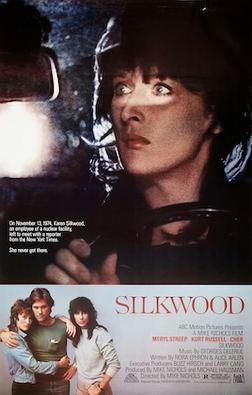
Silkwood
Entertainment
4 min read
Updated By: History Editorial Network (HEN)
Published:
Updated:
Silkwood (1983) is a tense and emotionally charged biographical drama directed by Mike Nichols, based on the true story of Karen Silkwood, a nuclear facility worker and union activist who became a whistleblower. Meryl Streep stars as Silkwood, delivering a raw, deeply human performance as a woman who stumbles into a dangerous fight against corporate negligence. Working at the Kerr-McGee plutonium plant in Oklahoma, Karen begins to uncover safety violations and contamination risks that put her and her co-workers in danger. As she becomes more outspoken and persistent, she’s met with harassment, isolation, and increasing paranoia—culminating in her mysterious death under suspicious circumstances while on her way to meet a journalist with damning evidence.
The film avoids melodrama and instead leans into grounded realism, driven by its strong performances and a growing sense of dread. Streep’s portrayal is complex and layered—tough, funny, flawed, and courageous. She’s supported by an excellent cast including Kurt Russell as her partner Drew and Cher in a breakout dramatic role as Dolly, Karen’s roommate, whose quiet heartbreak brings added emotional weight to the story.
Silkwood was both a critical and commercial success, grossing over $35 million and earning five Academy Award nominations, including Best Actress for Streep, Best Supporting Actress for Cher, Best Director, Best Original Screenplay, and Best Editing. It also earned Golden Globe and BAFTA nominations, helping to solidify Cher’s transition into serious acting and further elevating Streep’s already formidable reputation.
The film’s legacy lies in its impact as an early, powerful example of whistleblower cinema—blending personal struggle with political urgency. It remains a sobering reminder of the costs of speaking truth to power and the dangers faced by those who refuse to stay silent.
Primary Reference
Silkwood

Explore the Life Moments of
 AI Twin