Boys Don't Cry
Entertainment
4 min read
Updated By: History Editorial Network (HEN)
Published:
Updated:
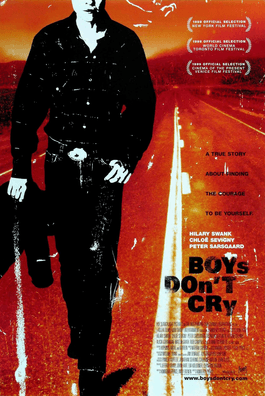
Boys Don’t Cry (1999) is a harrowing and emotionally devastating biographical drama directed by Kimberly Peirce, based on the real-life story of Brandon Teena, a transgender man who was brutally raped and murdered in rural Nebraska in 1993. Hilary Swank delivers a fearless, deeply committed performance as Brandon, capturing both his quiet confidence and the raw vulnerability he carried while trying to live authentically in a hostile environment. The film follows Brandon’s journey as he builds relationships in a small town, falls in love with Lana Tisdel (played by Chloë Sevigny), and desperately tries to keep his identity hidden from those around him—until the truth leads to horrifying violence.
Shot with a stark, intimate realism, the film avoids sensationalism and instead presents Brandon’s life and murder with restraint, empathy, and emotional clarity. It’s not only a personal story of identity and love but also an unflinching indictment of transphobia, toxic masculinity, and the failure of institutions to protect marginalized people.
Boys Don’t Cry was a critical triumph and a cultural flashpoint. It earned Hilary Swank the Academy Award for Best Actress, along with a Golden Globe and widespread acclaim for her transformative performance. Chloë Sevigny received an Oscar nomination for Best Supporting Actress, praised for her subtle, complex portrayal of Lana. Despite its limited budget and small release, the film grossed over $20 million worldwide and helped launch a national conversation around transgender rights and representation.
Its legacy is profound: Boys Don’t Cry remains one of the most important LGBTQ+ films ever made, remembered not only for its artistic impact but for its role in humanizing a life cut short by hatred and ignorance. It’s a landmark of queer cinema, as painful as it is essential.
Primary Reference
Boys Don't Cry (1999) - Financial Information

Explore the Life Moments of
 AI Twin